

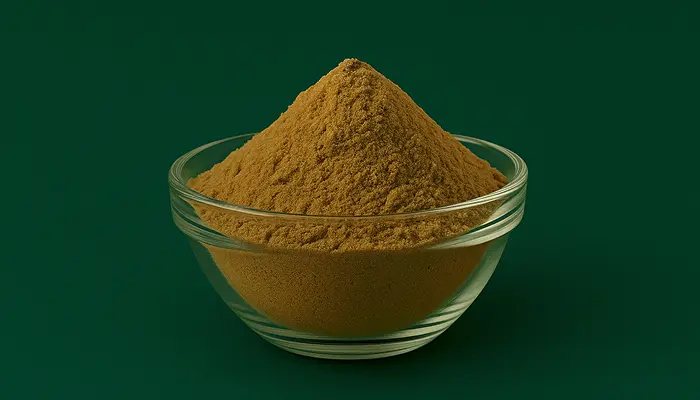
Vasaka (Adhatoda vasica Nees)
An evergreen, gregarious perennial of the Indian plains and the lower Himalayan ranges — its bitter, characteristically scented leaves yield vasicine, a classical expectorant and antispasmodic for the respiratory tract.
What is Vasaka?
Vasaka is an evergreen, gregarious, perennial herb botanically identified as Adhatoda vasica Nees, a member of the Acanthaceae family. It is distributed all over the plains of India and into the lower Himalayan ranges, where it grows densely in the wild. The plant carries long, broad leaves of a light green colour, with a characteristic odour and a distinctly bitter taste — sensory markers that have long guided its identification and use in traditional Indian medicine.
The leaves, flowers, fruits and roots are all employed medicinally, most prominently for the management of cough, cold, chronic bronchitis and asthma. Vasaka acts as an expectorant and antispasmodic, helping to loosen and clear respiratory secretions while easing the spasm that accompanies irritable, productive coughs. Its principal constituents are alkaloids, the chief alkaloid being vasicine — the marker compound to which the standardized extract is calibrated.
Where Does It Grow?
Vasaka is native to the Indian subcontinent and grows gregariously across a wide geographic range. It is found throughout the plains of India and ascends into the lower Himalayan foothills, thriving as a hardy evergreen that holds its foliage through the year.
Geographical Distribution
- The plains of India — distributed widely across the subcontinent
- The lower Himalayan ranges and foothills

Ideal Growing Conditions
- Warm plains and sub-Himalayan foothill climates
- Evergreen and perennial — retains foliage year-round
- Gregarious habit, forming dense natural stands in the wild
Parts Used & Active Constituents
Vasaka is unusual among medicinal botanicals in that nearly the whole plant is put to use. The leaves, flowers, fruits and roots are all employed for treating respiratory complaints, though the leaves are the most widely harvested for extraction.
- Vasicine — the chief alkaloid and the marker compound for standardization
- Alkaloids — the principal class of constituents responsible for the herb's activity
The light-green leaves carry a characteristic odour and a pronounced bitter taste, both of which are traditional indicators of the alkaloid-rich material favoured for medicinal preparation.
Therapeutic Uses of Vasaka
Vasaka is valued above all as a respiratory herb. Its expectorant and antispasmodic actions make it a long-standing remedy for conditions in which the airways are congested, irritated or constricted.
Respiratory support
- Traditionally used for cough and cold
- Employed in chronic bronchitis to help clear the airways
- Used in the management of asthma for its antispasmodic action
Mechanisms of action
- Expectorant — helps loosen and mobilise respiratory secretions
- Antispasmodic — eases spasm of the airways that accompanies irritable coughs
Forms & Usage
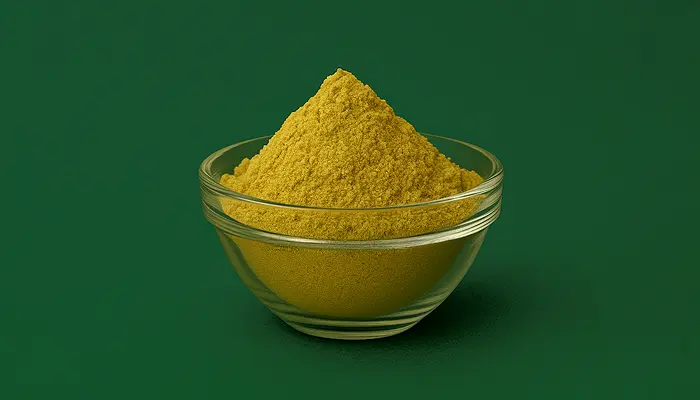
Because the leaves, flowers, fruits and roots are all usable, Vasaka has historically been prepared in a range of forms. Today it is most relevant as a standardized leaf extract calibrated to vasicine, allowing for consistent dosing in modern formulations.
- Standardized extract — calibrated to vasicine content for dose consistency
- Leaf preparations — the traditional source of the herb's expectorant activity
Always consult a qualified herbalist or healthcare professional for personalised dosage and use.
Uses & benefits
Expectorant and antispasmodic action driven by its alkaloids, chiefly vasicine; traditionally applied to cough, cold, chronic bronchitis and asthma, helping to mobilise respiratory secretions and ease airway spasm.
A standardized respiratory botanical for everyday airway comfort — its bitter, alkaloid-rich leaf extract supports clear breathing and is suited to formulations targeting seasonal respiratory resilience.
Related botanical extracts
Source clinically researched botanicals.
Partner with GreenSpace Herbs for standardized, quality-assured extracts.