

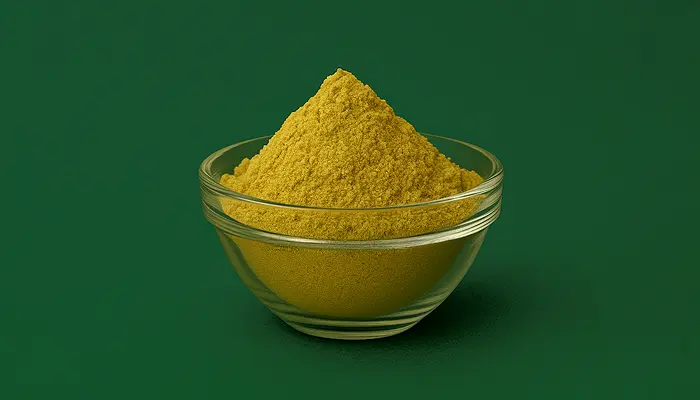
Brahmi (Bacopa monnieri )
A standardized extract of
What is Brahmi?
For over 3,000 years, Bacopa monnieri, known as Brahmi, has been revered in Ayurveda and Siddha medicine. Named after Brahma, the deity of creation and knowledge, Brahmi was first documented in the Atharva Veda and extensively referenced in the Charaka Samhita as a Medhya Rasayana — a rejuvenator for the mind. Traditionally consumed by sages and scholars, it was used to enhance memory, focus and spiritual clarity.
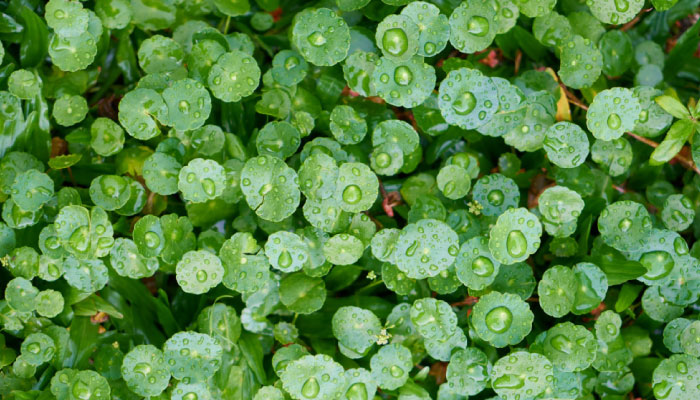
Botanical Profile
- Common names: Brahmi, Water Hyssop, Jal Brahmi
- Habitat: Thrives in wetland ecosystems of India, Southeast Asia, Australia and Africa
- Plant part used: Whole herb (primarily aerial parts)
Ideal Growing Conditions
Brahmi flourishes in full sunlight and well-drained, loamy soil, with moderate rainfall of roughly 1000–1500 mm annually. Its preference for marshy, wetland margins makes South India's monsoon-fed landscapes especially well suited to cultivation.
Phytochemical Signature
The herb's activity is anchored in a distinctive profile of triterpenoid saponins and alkaloids that act on the nervous system:
- Bacosides A & B — the principal saponins driving memory and neuromodulatory effects
- Bacosides I & II and Betulinic acid — constituents supporting a healthy inflammatory response and a calm mood
- Brahmine, Herpestine — alkaloids contributing to neuromodulatory effects
Clinically Studied Benefits
Memory & Cognitive Function
Brahmi improves memory retention, verbal learning and recall speed. It enhances synaptic plasticity by upregulating BDNF, and modulates cholinergic activity by inhibiting acetylcholinesterase.
Cognitive improvements in healthy adults. — Stough et al., Psychopharmacology, 2001
Mood & Neuroprotection
Its adaptogenic effects reduce cortisol and stress markers, while its antioxidant action counters oxidative neurodegeneration in the aging brain.
Stress and cortisol reduction. — Calabrese et al., J Altern Complement Med, 2008
Multi-System Effects
- Healthy inflammatory response: modulation of TNF-α and IL-6
- Antioxidant: enhances SOD, CAT and glutathione in neural and hepatic tissue
- Gut barrier protection: strengthens epithelial integrity
Ayurvedic Context
In classical practice Brahmi is synergistically paired with Ashwagandha, Shankhpushpi, Mandukaparni and Yashtimadhu. It appears in classical formulations such as Karpuradyarka, Jirakadi Modaka and Bala Guduchyadi Taila — positioned consistently as a Medhya Rasayana for the mind.
Dosage & Formulation Options
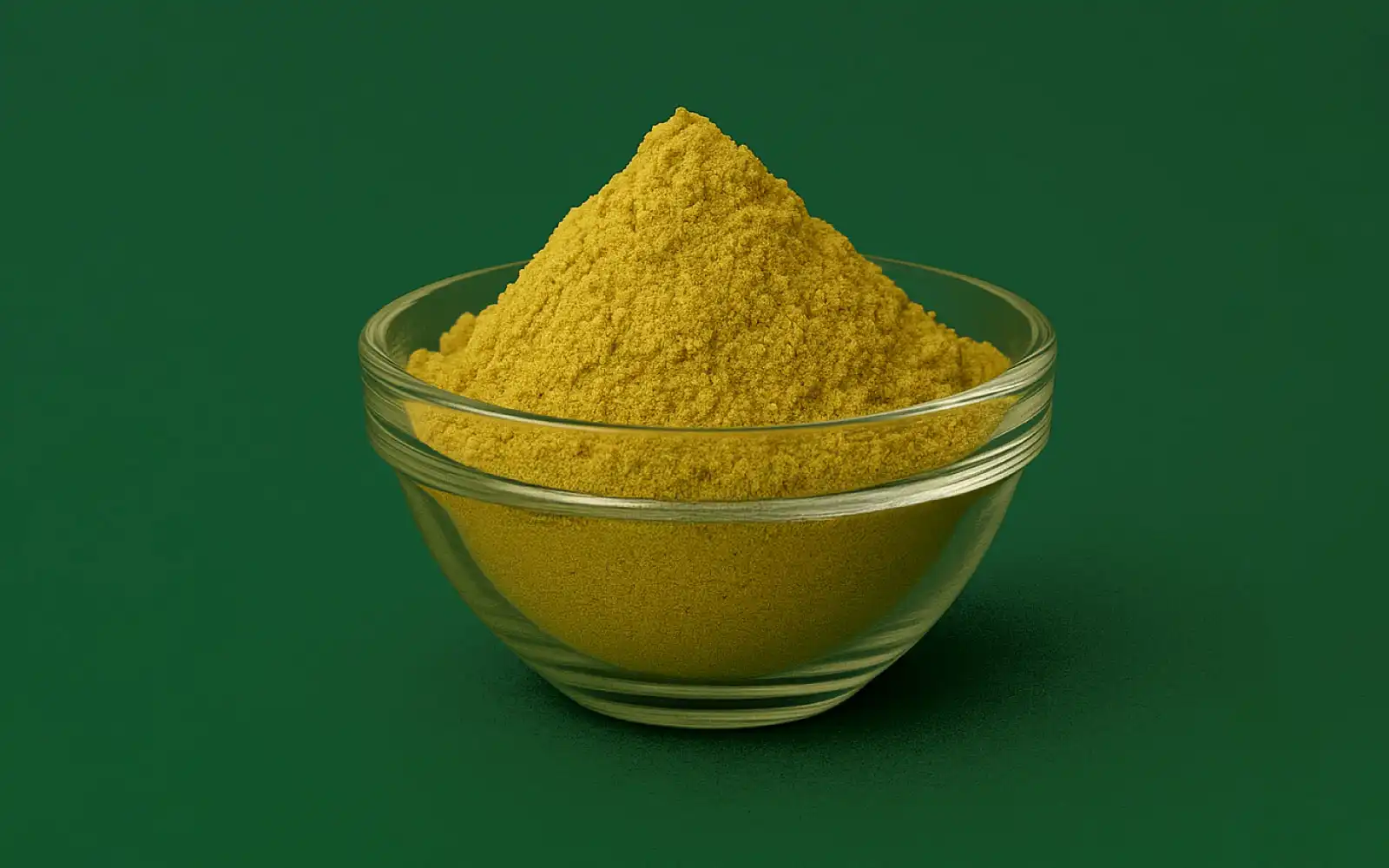
Available as standardized powders, microencapsulated extract for enhanced stability, and application-ready actives. Microencapsulation improves shelf stability and palatability for finished-product formats.
Scientific Validation & Clinical Research
- Stough et al., 2001 — Cognitive improvements in healthy adults
- Calabrese et al., 2008 — Stress and cortisol reduction
- Fatima et al., 2022 — Multisystem pharmacological validation
- Anand et al., 2021 — Antioxidant support in neural models
- Deb et al., 2008 — Safety assessment (BacoMind™ formulation)
Sustainability & Sourcing
- Ethically cultivated in certified farms across South India
- Eco-conscious extraction using green solvents
- Hand-harvested to preserve phytochemical richness
- Fully traceable via QR-coded batch tracking
Safety & Compliance
Brahmi extract is safe for long-term use when consumed within the recommended dosage, and is rigorously third-party tested for purity and compliance.
Uses & benefits
Cognitive-health capsules, tablets and microencapsulated actives targeting memory, focus and healthy stress response.
Nootropic and adaptogenic drink mixes, wellness shots and fortified foods leveraging Brahmi's BDNF and cortisol-modulating profile.
Classical Medhya Rasayana formulations, synergistic memory blends and prescription-style botanical combinations.
Source clinically researched botanicals.
Partner with GreenSpace Herbs for standardized, quality-assured extracts.