

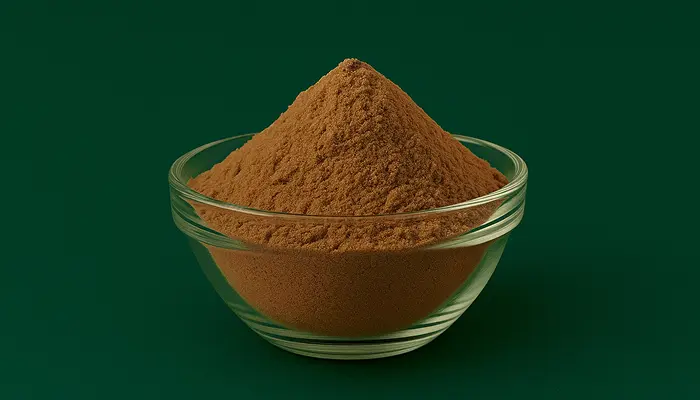
Amla (Emblica officinalis Gaertn.)
A deciduous tree of the Indian forests and the richest known natural source of vitamin C — its tannoid-rich fruit is anabolic, antibacterial and resistance-building, with antioxidant activity demonstrated both in vitro and in vivo.
What is Amla?
Amla is a deciduous tree botanically identified as Emblica officinalis Gaertn., a member of the Euphorbiaceae family. It is common throughout the Indian forests, ascending to about 4,500 feet on the hills, and is now also widely cultivated. Long celebrated in the Ayurvedic tradition, the small, pale-green to yellowish fruit is one of the most nutrient-dense botanicals in the Indian materia medica.
The fruit is the richest known natural source of vitamin C, while the fruit, bark and leaves are all rich in tannins. Amla fruits are regarded as anabolic, antibacterial and resistance-building — properties that underpin the herb's enduring reputation as a rejuvenative and as the principal ingredient of classical formulations.
Where Does It Grow?
Amla is native to the Indian subcontinent, where it grows commonly in the forests and ascends the hill ranges to elevations of roughly 4,500 feet. Once gathered chiefly from the wild, it is now commonly cultivated to meet demand for both its fruit and its standardized extracts.
Geographical Distribution
- Common throughout the forests of India
- Ascends the hills to approximately 4,500 feet in elevation
- Now widely cultivated in addition to wild stands
Ideal Growing Conditions
- Forest and hill habitats of the Indian subcontinent
- Deciduous habit, shedding its foliage seasonally
- Tolerant of cultivation across a range of elevations up to ~4,500 ft
Parts Used & Active Constituents
The fruit is the principal part used, prized above all for its exceptional vitamin C content. The fruit, bark and leaves are all rich in tannins, and it is the tannoid principles of the fruit that carry much of the herb's documented antioxidant activity.
- Vitamin C — the fruit is the richest known natural source
- Tannins / tannoid principles — concentrated in the fruit, bark and leaves; responsible for antioxidant activity
Therapeutic Uses of Amla
Amla fruits are anabolic, antibacterial and resistance-building, and modern investigation has extended this traditional profile with documented antioxidant and protective actions.
Documented activity
- The aqueous extract of the fruit has been reported to provide protection against radiation-induced chromosomal damage, in both pre- and post-irradiation treatment
- The tannoid principles of the fruit exhibit antioxidant activity in vitro and in vivo
- Clinical studies indicate beneficial effects of amla fruits in reducing total serum cholesterol levels
Traditional properties
- Anabolic — supports tissue building and rejuvenation
- Antibacterial — a traditional antimicrobial action
- Resistance-building — valued for strengthening the body's natural defences
Forms & Usage
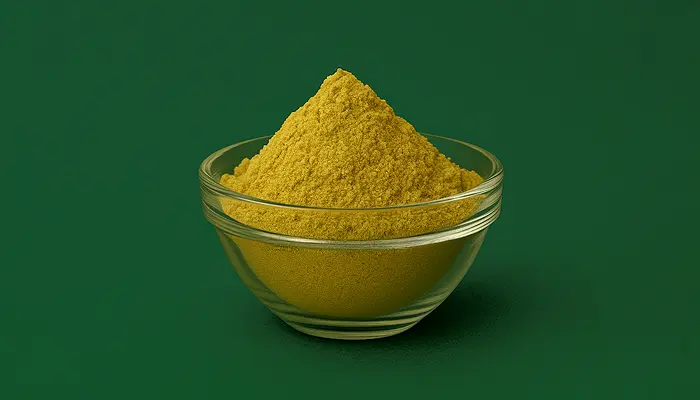
Amla is most relevant today as a standardized fruit extract, calibrated for its vitamin C and tannoid content to allow consistent dosing in modern formulations. The fruit also features prominently in classical Ayurvedic preparations.
- Standardized fruit extract — calibrated to vitamin C and tannoid content
- Fruit preparations — the traditional source of the herb's rejuvenative activity
Always consult a qualified herbalist or healthcare professional for personalised dosage and use.
Uses & benefits
Antioxidant activity from the fruit's tannoid principles, demonstrated in vitro and in vivo; the aqueous fruit extract has been reported to protect against radiation-induced chromosomal damage, and clinical studies indicate a beneficial effect in reducing total serum cholesterol.
The richest known natural source of vitamin C — anabolic, antibacterial and resistance-building, making it a cornerstone botanical for immune-support, antioxidant and rejuvenative formulations.
Source clinically researched botanicals.
Partner with GreenSpace Herbs for standardized, quality-assured extracts.