

Gymnema sylvestre, popularly known as Madhunashini or Meshashringi, has long held a revered place in traditional Indian medicine for its remarkable ability to combat sugar-related disorders. Aptly called the “sugar destroyer,” this powerful climbing herb continues to attract global scientific attention for its multifaceted health benefits.
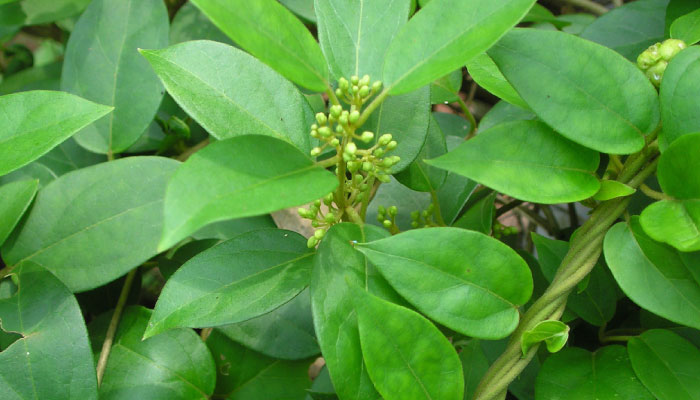
Gymnema sylvestre is a highly branched, woody climber that often reaches the tops of trees. It thrives in the dry forests of central and southern India and across several parts of Asia. Historical records suggest its medicinal use dates back to Ayurvedic formulations for diabetes and metabolic disorders.
The Science Behind Sweet Suppression
What makes Madhunashini unique is its immediate and noticeable interaction with taste perception. The leaves contain bioactive compounds such as gymnemic acids, gymnema saponins, and gurmarin. These compounds temporarily bind to sweet taste receptors on the tongue, suppressing the sensation of sweetness.
This action not only reduces sugar cravings but also supports weight management, making the herb particularly valuable in obesity and lifestyle-related metabolic conditions.
Hypoglycemic Activity and Drug Interactions
Gymnemic acid and gurmarin are primarily responsible for the herb’s hypoglycemic activity, acting through multiple mechanisms including reduced glucose absorption and improved insulin function.
Interestingly, studies involving the combination of Gymnema with metformin (a widely used antidiabetic drug) in animal models have shown varied outcomes. While Gymnema itself contributes to blood sugar reduction, it also inhibited the bioavailability of metformin — highlighting the importance of careful formulation and dosage when combining herbal and synthetic therapies.
While other herbs like bitter melon and fenugreek also exhibit antidiabetic properties, combinations of these herbs as polyblend extracts have shown synergistic mechanisms in sugar control and insulin regulation. However, Gymnema sylvestre stands out due to its multifaceted and unique mechanism of action — working on taste buds and supporting the regeneration of beta cells in the pancreas.
Research and Novel Delivery Systems
Over 1,500 scientific publications — covering areas such as phytochemistry, pharmacology, cultivation, and therapeutic applications — demonstrate the focus on the plant in research over two centuries. Research has expanded far beyond diabetes management to explore its role in:
- Management of hyperlipidemia (cholesterol and triglycerides).
- Modulation of polycystic ovary syndrome (PCOS) — recent studies indicate that Gymnema sylvestre extract may improve PCOS by modulating the YAP1 protein in mouse ovaries through mitochondrial alterations.
- Green nanotechnology — the plant extract is also being used in the green synthesis of silver and iron nanoparticles, where it acts as a natural reducing agent. These nanoparticle formulations have demonstrated enhanced antidiabetic and antibacterial activity.
Bioavailability Challenges and Future Directions
Despite its potent pharmacological profile, Gymnema sylvestre suffers from low natural bioavailability. To overcome this, researchers are exploring advanced delivery systems such as encapsulation and nanoparticle-based formulations. While early findings are promising, larger and confirmatory clinical studies are still needed.
Standardized extracts rich in gymnemic acids (25–75% gymnemic acids) are central to delivering consistent, research-grade metabolic support in modern formulations.
Author: Ms. Tahira H. S. — Chief Research Officer
References
- The Ayurvedic Pharmacopoeia of India, Part I, Volume V. https://www.ayurveda.hu/api/API-Vol-5.pdf
- Bhatt, S. M., & Sharma, N. (2025). The potential of various herbal plants for potential therapeutic treatment for diabetes management. Annals of the National Academy of Medical Sciences (India), 61, 213–223. https://doi.org/10.25259/ANAMS_70_2024
- Cortez-Navarrete, M., Pérez-Rubio, K. G., & Escobedo-Gutiérrez, M. J. Role of Fenugreek, Cinnamon, Curcuma longa, and related botanicals in glycemic control.