

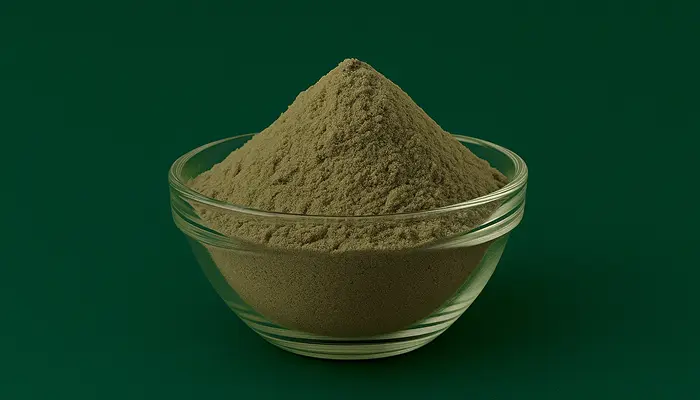
Kalmegh (Andrographis paniculata)
Known in Sanskrit as the "dark cloud" and to herbalists as the "King of Bitters," Kalmegh is a Tikta Rasayana prized for purifying the liver, supporting immunity and dispelling toxins — standardized to its primary bioactive, andrographolide.
What is Kalmegh?
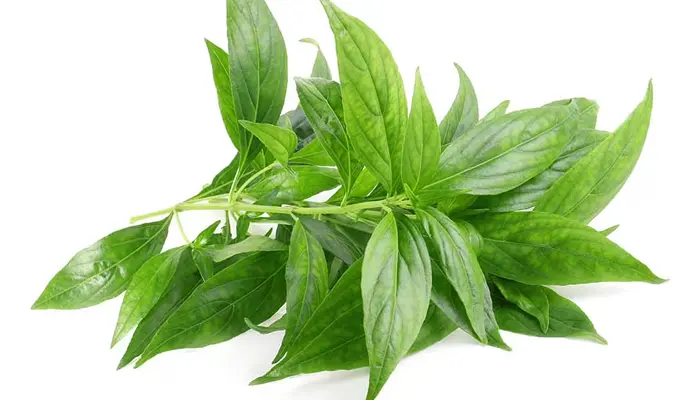
Kalmegh is a fast-growing, erect annual herb with quadrangular stems, lance-shaped leaves, and small purple flowers. It is botanically identified as Andrographis paniculata (Burm.f.) Wall. ex Nees, of the family Acanthaceae. The name "Kalmegh" translates from Sanskrit as "dark cloud," referencing its intensely bitter taste and its ability to dispel toxins from the body. In Ayurveda, Kalmegh is valued as a Tikta Rasayana (bitter rejuvenator) and is used primarily to balance the Pitta and Kapha doshas. Its bitter profile makes it ideal for detoxifying heat-related conditions and metabolic imbalances.
Where does it grow? Geographical distribution
Kalmegh is native to India and Sri Lanka and is now cultivated extensively across tropical and subtropical regions, including:
- India — particularly the plains of Uttar Pradesh, West Bengal and Tamil Nadu
- Thailand, Malaysia, China and Myanmar
- Herbal-farming projects across the Caribbean and Central America
Ideal growing conditions
Kalmegh prefers tropical and subtropical climates with full sunlight and well-drained, loamy soil, and moderate rainfall of roughly 1,000–1,500 mm annually. The herb thrives during the monsoon season and is typically cultivated between June and October.
Parts used and active constituents
The leaves and aerial parts (stems and flowers) are primarily used for medicinal purposes. Key phytochemicals in Kalmegh include:
- Andrographolide — the primary bioactive compound
- Neoandrographolide
- Flavonoids
- Xanthones
- Diterpene lactones
Andrographolide, in particular, has been extensively studied for its anti-inflammatory, antiviral, hepatoprotective and immunostimulant properties.
Therapeutic uses of Kalmegh
Kalmegh is known for its effectiveness in purifying the blood, cleansing the liver, reducing fevers and improving digestion. Its applications span Ayurveda, Traditional Chinese Medicine and Western herbalism.
Liver and hepatoprotective support
- Stimulates bile flow
- Aids recovery from liver conditions such as jaundice, fatty liver and hepatitis
- Helps regenerate liver tissue
Kalmegh is often used in classical Ayurvedic formulations such as Bhumi Amalaki Churna and Arogyavardhini Vati.
Immune modulation and fever
- Modulates immune function and increases resistance to infections
- Traditionally used to manage dengue, malaria, viral fevers and upper respiratory infections
Its antipyretic property makes it a valuable herb during seasonal flu outbreaks.
Digestive and antimicrobial action
- Reduces intestinal inflammation
- Supports digestion by stimulating enzyme secretion
- Effective against parasitic and bacterial infections
Kalmegh is particularly helpful for those with sluggish digestion, flatulence and worm infestations.
Antioxidant and anti-inflammatory effects
- Reduces oxidative stress in tissues
- Protects cells from inflammatory damage
- Promotes recovery from chronic inflammatory conditions
- Used in managing skin conditions such as eczema, acne and psoriasis
- Acts as a decongestant and expectorant in bronchitis and sinusitis
Forms and safe usage
Kalmegh is available in multiple forms for both internal and external use; the ideal preparation depends on the condition being treated.
- Fresh juice (Swarasa) — strong and fast-acting; used in acute conditions
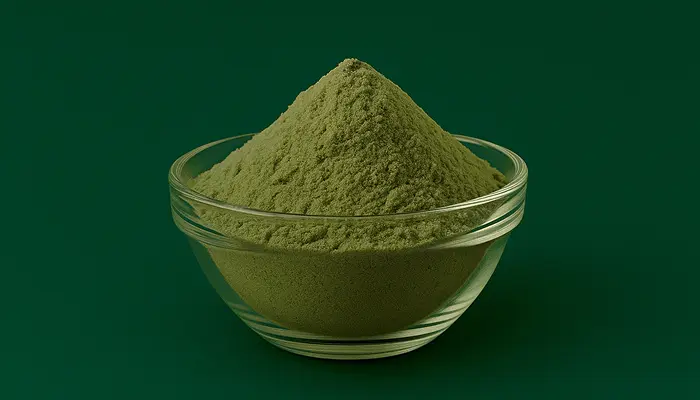
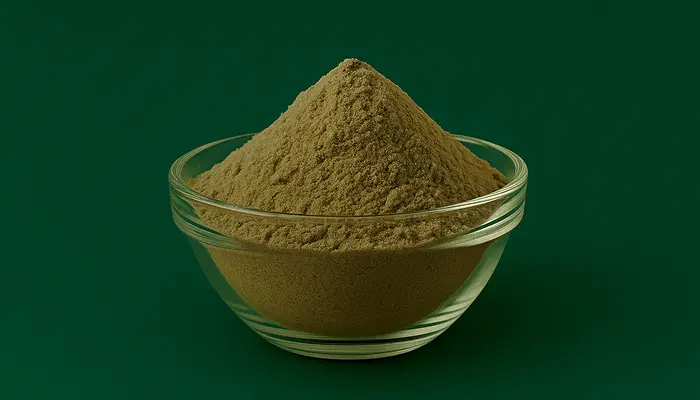
- Powder (Churna) — dried leaf powder, commonly mixed with honey or warm water
- Tablets / capsules — standardized extracts for dose control
- Decoction (Kashayam) — prepared by boiling leaves in water
- Tinctures — alcoholic extracts used in Western herbalism
Always consult a qualified herbalist for personalized dosage and use.
Precautions and contraindications
Kalmegh is potent and should be used mindfully. While safe in therapeutic doses, excess consumption or long-term unsupervised use may lead to adverse effects. Particular caution applies to:
- Pregnancy and lactation — may stimulate uterine contractions and should be avoided
- Children under five years — use only under professional guidance
- Autoimmune disorders — can overstimulate the immune response
- Patients on immunosuppressants or anticoagulants — may interact with medications
Reported side effects in high doses include gastric irritation or heartburn, loss of appetite, and allergic rash in hypersensitive individuals.
Scientific evidence
Kalmegh is one of the most well-researched medicinal herbs in Southeast Asia, with numerous studies confirming its therapeutic potential — particularly in liver health and immunity.
- Andrographolide has been found to protect liver cells against paracetamol-induced toxicity in experimental models.
- Clinical trials show improvement in symptoms of upper respiratory tract infections, including sore throat and fever.
- Anti-inflammatory and antioxidant activity has been validated in in vitro and in vivo studies.
Andrographis paniculata stands as a clear example of how a single herb can deliver multi-dimensional health benefits — from purifying the liver to supporting immunity and digestive health. Used responsibly and under professional guidance, Kalmegh can be an essential botanical during times of seasonal illness, detoxification or immune imbalance.
References
- Coon, J. T., & Ernst, E. (2004). Andrographis paniculata in the treatment of upper respiratory tract infections: a systematic review of safety and efficacy. Planta Medica, 70(4), 293–298.
- Mishra, S. K., Sangwan, N. S., & Sangwan, R. S. (2007). Andrographis paniculata (Kalmegh): A review. Pharmacognosy Reviews, 1(2), 283–298.
- Rajagopal, S., Ramanathan, M., et al. (2003). Hepatoprotective activity of Andrographis paniculata against carbon tetrachloride-induced hepatic injury in rats. Indian Journal of Pharmacology, 35(5), 208–211.
- Puri, A., Saxena, R., Saxena, R. P., et al. (1993). Immunostimulant agents from Andrographis paniculata. Journal of Natural Products, 56(7), 995–999.
- Sheeja, K., Shihab, P. K., & Kuttan, G. (2006). Antioxidant and anti-inflammatory activities of the plant Andrographis paniculata. Immunopharmacology and Immunotoxicology, 28(1), 129–140.
Uses & benefits
Andrographolide-driven hepatoprotective, antipyretic, anti-inflammatory and immunostimulant activity — supporting liver tissue, bile flow, fever management and resistance to viral and bacterial infection.
A bitter detoxifying ingredient for liver-health, immune-support and digestive formulations, delivered as a standardized extract for tablets, capsules and functional supplements.
Related botanical extracts
Source clinically researched botanicals.
Partner with GreenSpace Herbs for standardized, quality-assured extracts.