

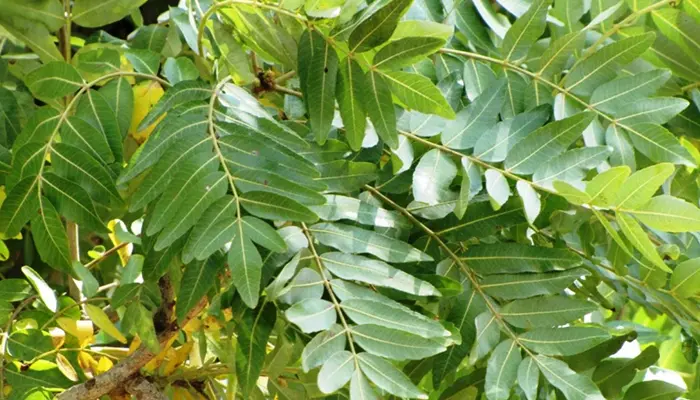
Boswellia (Boswellia serrata)
Known in Ayurveda as Salaiguggul or Shallaki and to the wider world as Indian Frankincense, Boswellia serrata is a resin-producing tree whose oleo-gum-resin has been used for centuries to support joint health, ease pain, and manage chronic inflammation.
What is Salaiguggul?
Boswellia serrata is a medium-sized deciduous tree that yields a fragrant, golden-yellow resin known as Salaiguggul or Shallaki. The gum-resin is collected by making incisions in the bark, through which it exudes and slowly solidifies into tear-shaped drops. In Ayurvedic texts it is classified under the Vedanasthapana (pain-relieving) and Sandhivatahara (joint-disorder-relieving) categories, and is especially indicated in Vata-Pitta conditions owing to its warming, pungent, and slightly bitter qualities.
Referenced in classical Ayurvedic literature such as the Charaka Samhita, Boswellia is traditionally revered for promoting Sandhigata Vata (joint health) and for managing chronic musculoskeletal disorders. The same gum that scents Indian frankincense is the source of its therapeutic boswellic acids.
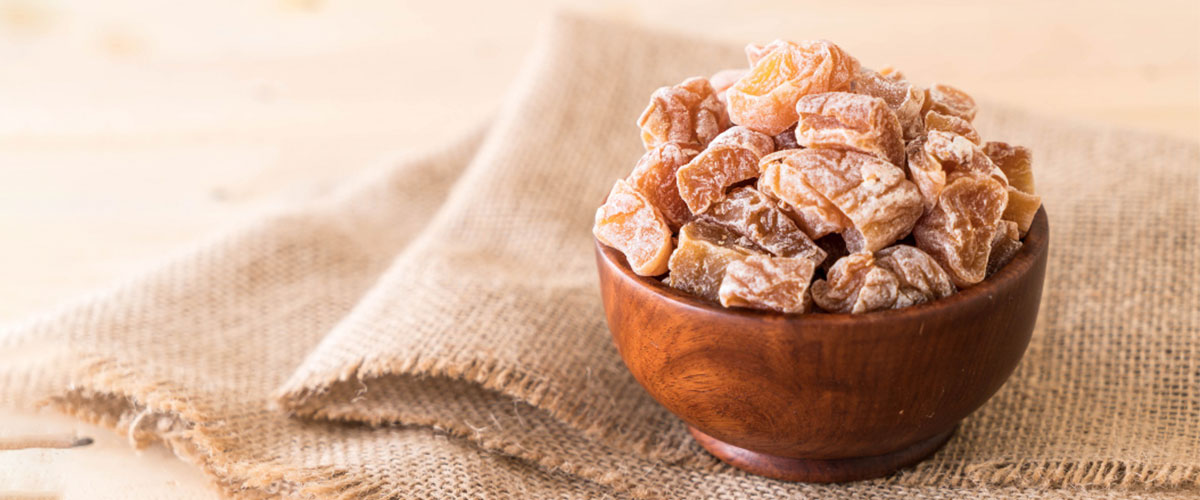
Where does it grow? Geographical distribution
Boswellia is a tree of dry, hot landscapes and is native to several arid regions across three continents:
- India — especially the dry forests of Madhya Pradesh, Gujarat, Rajasthan, and Maharashtra
- Northern Africa and parts of the Middle East
- Pakistan
- Parts of Africa and the Americas

Ideal growing conditions
The tree flourishes in dry deciduous forests, frequently growing alongside Terminalia and Anogeissus species. It is well adapted to heat and drought and asks little of the soil.
- Climate: arid to semi-arid zones with hot summers and low humidity
- Altitude: 300–1200 metres
- Soil: rocky or sandy soils with good drainage
- Rainfall: tolerant of drought; requires only low to moderate annual rainfall
Parts used & phytochemical profile
The oleo-gum-resin extracted from the bark is the primary medicinal component. Its activity is driven by a family of pentacyclic triterpenic acids — the boswellic acids — alongside aromatic essential oils and supporting polysaccharides.
Key active compounds
- Boswellic acids — α-boswellic acid, β-boswellic acid, and acetyl-11-keto-β-boswellic acid (AKBA)
- Essential oils — pinene and other terpenoids
- Polysaccharides and tannins
Among these, AKBA is the most potent anti-inflammatory agent. It selectively inhibits 5-lipoxygenase (5-LOX), a key enzyme in the leukotriene inflammation pathway, which underpins much of Boswellia's value in joint and inflammatory conditions.
Therapeutic benefits of Boswellia
Boswellia's powerful anti-inflammatory and analgesic actions make it a trusted remedy for joint, respiratory, and digestive conditions. It is increasingly used in both classical Ayurvedic practice and modern integrative therapies.
Joint & bone health
- Reduces inflammation in conditions like osteoarthritis and rheumatoid arthritis
- Improves joint mobility and reduces stiffness
- Helps support repair of cartilage damage
Inflammatory bowel disease (IBD)
- Reduces symptoms of ulcerative colitis and Crohn's disease
- Decreases gut inflammation and promotes mucosal healing
- Studied as a gentler alternative to corticosteroids in long-term use
Respiratory support
- Useful in asthma and bronchitis by reducing airway inflammation
- Inhibits leukotriene activity, easing breathing and reducing allergic responses
Chronic pain & muscular ailments
- Eases back pain, tendonitis, and sports injuries
- Reduces pain without the gastrointestinal side effects common to NSAIDs
Cognitive & anti-cancer potential
- Early studies suggest neuroprotective effects, of interest in Alzheimer's models
- Boswellic acids show anti-proliferative effects on some cancer cell lines (e.g. glioma, leukaemia)
Boswellia is often used in Ayurvedic formulations such as Shallaki tablets, or in combination with Guggulu, Ashwagandha, and Turmeric for an enhanced effect.
Forms & safe usage
Boswellia is most effective when used as concentrated extracts, powders, or topical preparations standardized to its boswellic acid content.
- Resin extracts standardized to boswellic acids
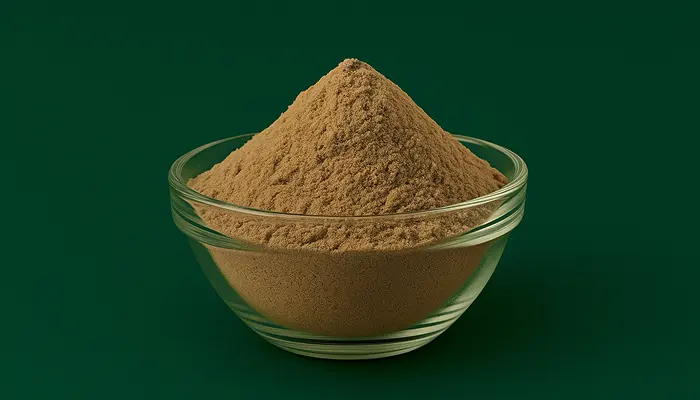
- Powder (Churna) — mixed with honey, ghee, or warm water
- Capsules and tablets — popular in joint-support supplements
- Topical creams or oils — for localized pain relief
- Classical Ayurvedic formulations — often combined with Guggulu or Ashwagandha
Precautions and contraindications
Boswellia is generally well tolerated, but caution is advised in pregnancy and lactation (limited data), in autoimmune disease (it may stimulate immune function), and before surgery or in bleeding disorders (mild anticoagulant effect). Uncommon side effects can include mild gastric discomfort, skin rash with topical use, and rare headache or nausea.
Uses & benefits
AKBA-driven inhibition of 5-LOX and pro-inflammatory cytokines (TNF-α, IL-1β, IL-6) supports use in osteoarthritis and rheumatoid arthritis, inflammatory bowel disease, asthma and bronchitis, and chronic musculoskeletal pain — without the gastric burden of conventional NSAIDs.
Standardized resin extracts feature in joint-health and mobility supplements, inflammation and metabolic-health formulations, fortified wellness teas and beverages, and pain-relief gummies and bars — typically alongside Ashwagandha, Guggulu, or Turmeric.
Related botanical extracts
Source clinically researched botanicals.
Partner with GreenSpace Herbs for standardized, quality-assured extracts.