

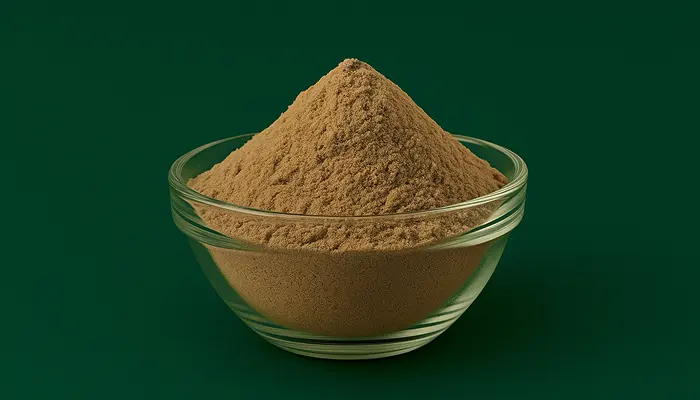
Green Tea (Camellia sinensis)
One of the world's most widely consumed and researched medicinal botanicals — renowned for the antioxidant, metabolic and cognitive benefits of its unoxidized leaf catechins, led by EGCG.
What is Green Tea?
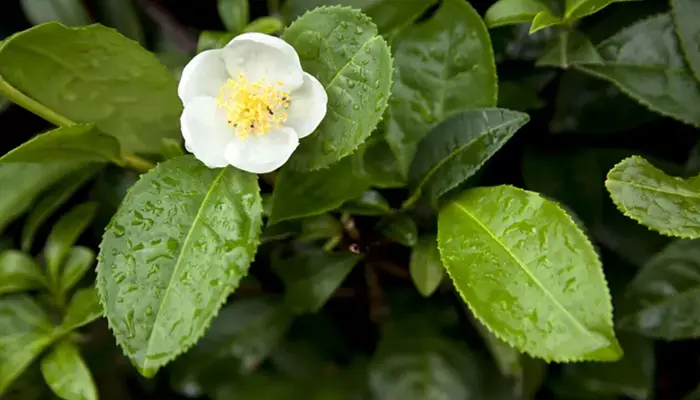
Green tea is made from the unoxidized leaves of Camellia sinensis — an evergreen shrub or small tree with glossy, serrated leaves and fragrant white flowers. Unlike black or oolong tea, green tea leaves are minimally processed, retaining high levels of natural antioxidants. Long cultivated across India, Sri Lanka, China and other Asian countries, the plant is usually maintained at a height of 2–3 feet by regular pruning.
In Ayurveda, green tea is considered Pitta-pacifying owing to its cooling, slightly bitter and astringent nature. From heart and brain health to detoxification and weight management, it continues to captivate both traditional practitioners and modern researchers.
Where Does It Grow?
Now cultivated in over 30 countries, green tea thrives across distinct growing regions, each lending a characteristic leaf chemistry:
Geographical Distribution
- South and Southeast Asia (India, China, Myanmar) — the traditional heartland of cultivation.
- Japan — home to refined steamed-leaf and matcha traditions.
- Korea — highland tea gardens prized for delicate leaf grades.
Ideal Growing Conditions
- Altitude — cooler temperatures and misty highlands yield higher-quality leaves rich in catechins and volatile oils.
- Climate — temperate to subtropical with consistent humidity.
- Soil — rich, slightly acidic, well-drained loamy soils.
- Rainfall — abundant and well-distributed through the growing season.
Parts Used & Key Phytochemicals
The young leaves and buds are the primary parts harvested and processed for medicinal use. Green tea is rich in a unique profile of bioactive compounds:
- Catechins (EGCG, EGC, ECG, EC) — powerful polyphenolic antioxidants. Among these, EGCG (epigallocatechin gallate) is the most researched catechin, with documented effects on metabolism, inflammation and cellular protection.
- Theanine — a calming amino acid that enhances cognitive function.
- Caffeine — provides mild central nervous system stimulation.
- Flavonoids and tannins — contributing astringency and antioxidant activity.
- Vitamins (C, B complex) and minerals (zinc, selenium).
Therapeutic Benefits
Green tea offers a wide spectrum of health benefits, ranging from antioxidant support and metabolism enhancement to neuroprotection and cardiovascular health:
- Scavenges free radicals and protects cells from oxidative stress.
- Reduces systemic inflammation, a root cause of chronic disease, and supports detoxification.
- The combination of L-theanine and caffeine improves focus without overstimulation, while protecting neurons to support cognitive longevity.
- Lowers LDL cholesterol and improves HDL levels.
- Supports healthy weight management and improves insulin sensitivity when combined with lifestyle changes.
- Supports liver detox and helps soothe mild gastrointestinal discomfort.
How to Use Green Tea Safely
Green tea can be consumed as a beverage or taken in concentrated extract form. Its versatility makes it suitable for daily consumption in moderate amounts — available as brewed tea, matcha, or standardized green tea extract in functional foods, cosmetics and supplements.
Research Highlights
Green tea is one of the most widely studied botanicals in scientific literature, with extensive research across multiple domains:
- Cardiovascular — a 2020 meta-analysis found that green tea intake significantly reduces blood pressure and LDL cholesterol levels.
- Weight loss — clinical trials confirm its role in enhancing fat metabolism and improving BMI in overweight adults.
- Cognitive function — L-theanine and EGCG improve attention and working memory in human studies.
- Cellular research — EGCG shown to inhibit cancer cell proliferation and DNA damage in preclinical studies.
Green tea is recognized by EFSA, NIH and WHO for its functional food and nutraceutical value.
Precautions & Contraindications
Green tea is generally safe when consumed in moderation, but certain considerations apply:
- Pregnancy and breastfeeding — limit to 1–2 cups per day due to caffeine.
- Iron-deficiency anemia — tannins can reduce iron absorption; avoid taking with meals.
- Stimulant sensitivity — caffeine may cause insomnia or palpitations in sensitive individuals.
- Medications — may interact with blood thinners, stimulants and beta-blockers.
- Excessive extract consumption has been associated with liver toxicity.
Uses & benefits
Antioxidant and anti-inflammatory support, cardiovascular protection (lowering LDL and blood pressure), neuroprotection and cognitive support via the L-theanine–caffeine synergy, and EGCG-led activity studied for metabolic and cellular health.
Standardized green tea extract for functional foods, weight-management and metabolism formulas, sports and focus supplements, and cosmetic actives that protect skin against UV damage and oxidative stress.
Source clinically researched botanicals.
Partner with GreenSpace Herbs for standardized, quality-assured extracts.