


Green Tea (Camellia sinensis Kuntze)
The antioxidant elixir of longevity — one of the world's most widely consumed and researched botanicals, prized for catechin-rich antioxidant defence, metabolic support, cognitive longevity and cardiovascular health.
What is Green Tea?
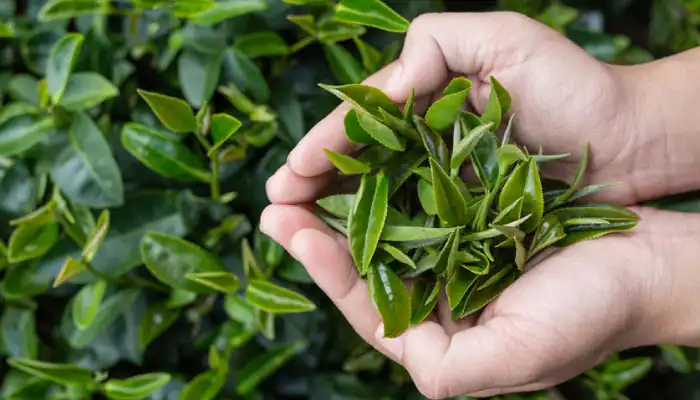
Green tea is made from the unoxidized leaves of Camellia sinensis — an evergreen shrub or small tree with glossy, serrated leaves and fragrant white flowers. Unlike black or oolong tea, green tea leaves are minimally processed, retaining high levels of natural antioxidants. Renowned for its antioxidant, metabolic and cognitive health benefits, green tea has been central to traditional Asian medicine and modern wellness culture alike — from heart and brain health to detox and weight management.
In Ayurveda, green tea is considered Pitta-pacifying due to its cooling, slightly bitter and astringent nature. In Traditional Chinese Medicine it has long been valued as a daily tonic for clarity, vitality and balance.
Where Does It Grow?
Green tea is native to South and Southeast Asia and is now cultivated in over 30 countries. Cooler temperatures and misty highlands yield higher-quality leaves rich in catechins and volatile oils.
Geographical Distribution
- South and Southeast Asia — India, China and Myanmar
- Japan — a centre of premium green and matcha tea cultivation
- Korea — traditional highland tea-growing regions

Ideal Growing Conditions
- Altitude — higher elevations and misty highlands produce the finest leaves
- Climate — cooler temperatures yield leaves richer in catechins and volatile oils
- Soil — rich, slightly acidic, well-drained loamy soils
- Rainfall — consistent moisture supports tender new growth
Parts Used & Key Phytochemicals
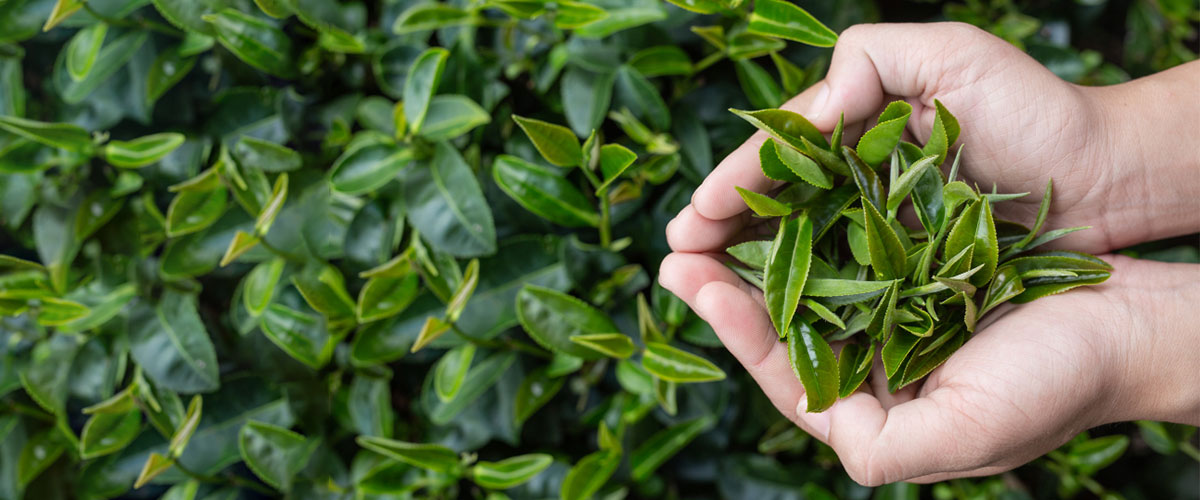
The young leaves and buds are the primary parts harvested and processed for medicinal use. Green tea is rich in a unique profile of bioactive compounds:
- Catechins (EGCG, EGC, ECG, EC) — powerful polyphenolic antioxidants
- Theanine — a calming amino acid that enhances cognitive function
- Caffeine — provides mild central nervous system stimulation
- Flavonoids and tannins
- Vitamins (C, B complex) and minerals (zinc, selenium)
Among these, EGCG (epigallocatechin gallate) is the most researched catechin, with proven effects on metabolism, inflammation and cellular protection. Green tea is also valued within Medhya Rasayana traditions prized for cognitive vitality and clarity.
Therapeutic Benefits of Green Tea
Green tea offers a wide spectrum of health benefits ranging from antioxidant support and metabolism enhancement to neuroprotection and cardiovascular health.
Antioxidant & anti-inflammatory
- Scavenges free radicals and protects cells from oxidative stress
- Reduces systemic inflammation, a root cause of chronic disease
- Delays cellular aging and supports natural detoxification
Cognitive & neuroprotective
- The combination of L-theanine and caffeine improves focus without overstimulation
- Protects neurons from degeneration, supporting cognitive longevity
- Studied for supporting attention in adults with cognitive decline
Metabolic & cardiovascular
- Lowers LDL cholesterol and improves HDL levels
- Supports healthy weight loss and management when combined with lifestyle changes
- Balances blood sugar and improves insulin sensitivity
Cellular & digestive support
- EGCG may inhibit tumour growth and angiogenesis in research models
- Used in mild gastrointestinal discomforts, including ulcers and irritable bowel syndrome
- Supports liver detox and reduces hepatic inflammation
- Improves skin tone, reduces acne and helps protect against UV damage
How to Use Green Tea Safely
Green tea can be consumed as a beverage or taken in concentrated extract form. Its versatility makes it suitable for daily consumption in moderate amounts. Whether enjoyed as a warm cup of tea, a concentrated capsule or a rejuvenating matcha, green tea is a daily ritual with science-backed benefits for body and mind — best consumed with mindfulness and balance.
Forms Available
- Loose-leaf and brewed tea
- Matcha — finely ground whole-leaf powder
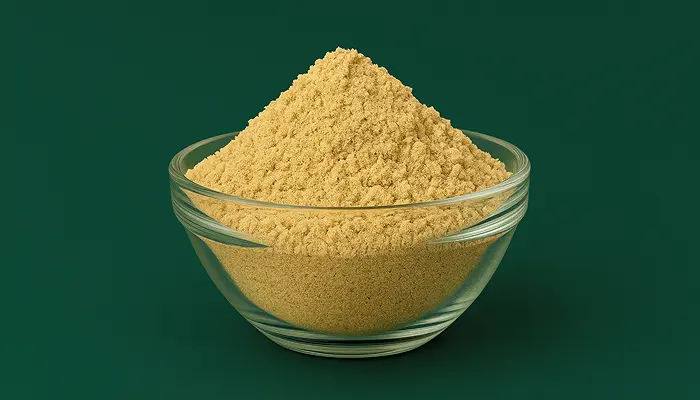
- Standardized green tea extract in capsules and tablets
- Green tea extract in functional foods, cosmetics and supplements
Research Highlights
Green tea is one of the most widely studied botanicals in scientific literature, with extensive research across multiple domains.
- Cardiovascular — a 2020 meta-analysis found that green tea intake significantly reduces blood pressure and LDL cholesterol levels.
- Weight management — clinical trials confirm its role in enhancing fat metabolism and improving BMI in overweight adults.
- Cognitive function — L-theanine and EGCG improve attention and working memory in human studies.
- Cancer research — EGCG has been shown to inhibit cancer cell proliferation and DNA damage in preclinical studies.
Green tea is recognized by EFSA, NIH and WHO for its functional food and nutraceutical value.
Precautions & Contraindications
Green tea is generally safe when consumed in moderation, but certain considerations are necessary.
- Pregnancy and breastfeeding — limit to 1–2 cups per day due to caffeine
- Iron-deficiency anemia — tannins can reduce iron absorption; avoid taking with meals
- Stimulant sensitivity — caffeine may cause insomnia or palpitations in sensitive individuals
- Medications — may interact with blood thinners, stimulants and beta-blockers
- Liver — excessive extract consumption has been associated with liver toxicity
References
- Hodgson, J. M., Croft, K. D., et al. (2012). Tea flavonoids and cardiovascular health. Molecular Aspects of Medicine, 31(6), 495–502.
- Kao, Y. H., Hiipakka, R. A., Liao, S. (2000). Modulation of endocrine systems and food intake by green tea epigallocatechin gallate. Endocrinology, 141(3), 980–987.
- Park, S. K., et al. (2014). Green tea consumption and mortality due to cardiovascular disease, cancer, and all causes in Japan: The Ohsaki study. JAMA, 296(10), 1255–1265.
- Scholey, A. B., et al. (2012). Effects of green tea and L-theanine on brain function. Nutrients, 4(10), 1631–1644.
- Cabrera, C., Artacho, R., Giménez, R. (2006). Beneficial effects of green tea — A review. Journal of the American College of Nutrition, 25(2), 79–99.
Uses & benefits
Potent antioxidant and anti-inflammatory action driven by EGCG and catechins; neuroprotective support for cognitive longevity through L-theanine and caffeine synergy; cardiovascular benefit via reduced LDL cholesterol and blood pressure; metabolic support for blood sugar balance and insulin sensitivity, with EGCG studied for anti-proliferative activity in preclinical research.
A versatile functional ingredient for daily wellness — used in weight-management and metabolism formulations, focus and cognitive blends, and antioxidant skin-health products. Green tea extract is incorporated into functional foods, cosmetics and supplements, and is recognized by EFSA, NIH and WHO for its nutraceutical value.
Related botanical extracts

Source clinically researched botanicals.
Partner with GreenSpace Herbs for standardized, quality-assured extracts.