

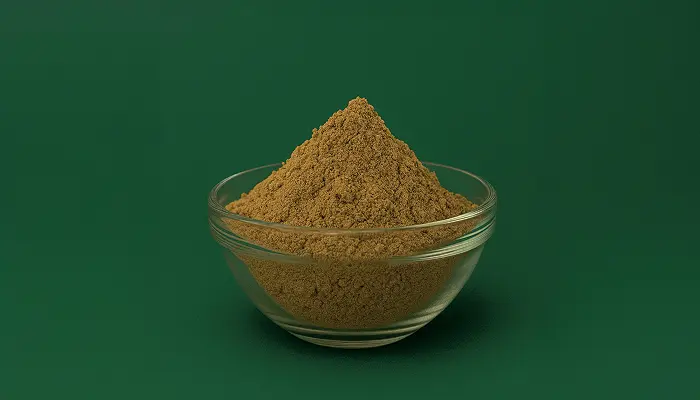
Coleus (Coleus forskohlii Briq.)
A small, branched, aromatic perennial of the mint family — the source of forskohlin, the diterpene that defines its long-standing role in cardiovascular and dermatological tradition.
What is Coleus?
Coleus forskohlii Briq. is a small, branched, aromatic perennial herb of the family Labiatae (the mint family, Lamiaceae). Like its relatives it carries the characteristic aromatic foliage of the mints, but its value lies below ground: the fleshy, tuberous root is the part that yields the plant's defining diterpene. It is the only known natural source of forskohlin, and it is on this single marker compound that the botanical is identified and standardized.
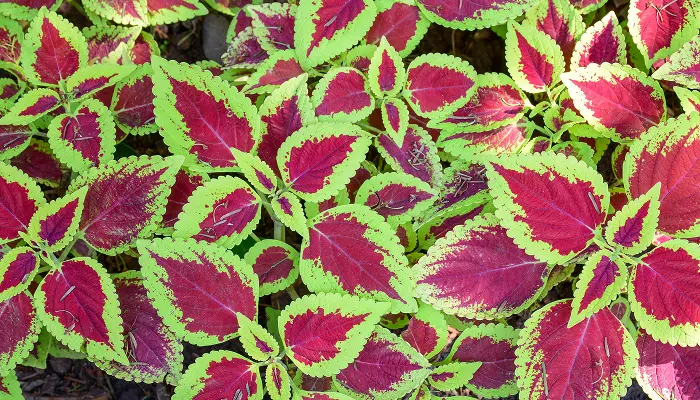
Where does it grow?
Geographical distribution
Coleus is distributed across the subtropical Himalayas of Kumaon and Nepal, ascending to about 8,000 ft, and southward through the Deccan peninsula, Gujarat and Bihar. Its range therefore spans both the temperate Himalayan foothills and the warmer plains of central and western India.
Ideal growing conditions
The plant favours the well-drained, sun-exposed slopes typical of the subtropical Himalayan belt and the open, seasonally dry terrain of the Deccan. As a hardy perennial it tolerates the higher elevations of the Kumaon and Nepal hills while remaining at home across the plains of Gujarat and Bihar.
Parts used
The root is the part used. The tuberous root concentrates the plant's characteristic diterpene and forms the basis of the standardized extract.
Chemical constituents
The principal chemical constituent of Coleus is forskohlin (also written forskolin), a labdane diterpene found in the root. Forskohlin is the marker compound by which the botanical is identified and standardized, and it defines the profile of a quality-assured Coleus extract.
Ayurvedic profile
Coleus belongs to the aromatic mint family and has a place in the traditional Indian materia medica, where its pungent, warming character underlies its classical use. It is conventionally characterised through the Ayurvedic attributes below.
- Rasa (taste): Katu (pungent), Tikta (bitter)
- Virya (potency): Ushna (heating)
- Vipaka (post-digestive effect): Katu (pungent)
- Dosha action: Pacifies Kapha and Vata, in keeping with its warming, aromatic nature
Uses & benefits
Forskohlin, the active diterpene of Coleus, is traditionally indicated in hypertension, congestive heart failure and angina pectoris — the cardiovascular uses for which the botanical is best known.
Coleus is also indicated in eczema (atopic dermatitis), psoriasis, asthma and glaucoma, reflecting the broad activity associated with its forskohlin content.
Related botanical extracts
Source clinically researched botanicals.
Partner with GreenSpace Herbs for standardized, quality-assured extracts.