

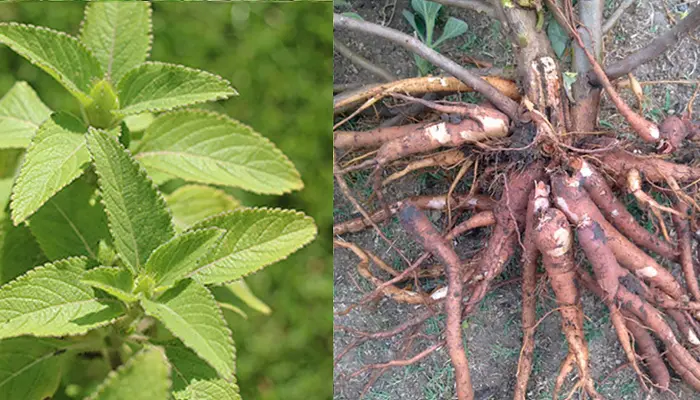
Coleus (Coleus forskohlii (Willd.) Briq.)
A clinically backed botanical for weight management, cardiac function and more — standardized to forskolin, the diterpenoid that activates cellular cyclic AMP (cAMP) pathways.
What is Coleus forskohlii ?
Coleus forskohlii, commonly known as Gandira in Ayurveda, is valued for its rich content of forskolin — a key diterpenoid compound that activates cellular cyclic AMP (cAMP) pathways. Standardized extracts from this plant are widely used in modern health applications including metabolic health, cardiovascular support and body-composition management.
Origins & Ethnobotany
Botanical Profile
- Botanical name:
Coleus forskohlii (Willd.) Briq. - Common names: Gandira (Sanskrit), Patharchur (Hindi), Manganiperu (Kannada), Marunthu koorkan (Tamil)
- Family: Lamiaceae
- Part used: Roots (tubers)
Bioactive Compounds
The activity of
- Forskolin — the principal diterpenoid responsible for cAMP activation
- Barbatusin, coleon O — supporting diterpenoids
- Ferruginol, sugiol, manoyl oxide — additional phytochemical constituents
Chemical class: Diterpenoids. Extracts are typically standardized to a defined forskolin content for consistent activity.
Clinically Studied Benefits
Weight Management
Forskolin stimulates lipolysis via activation of adenylate cyclase and increases intracellular cAMP levels, promoting fat metabolism.
Eye Pressure & Fluid Balance
It supports normal intraocular pressure by enhancing aqueous-humor outflow, activating cAMP in the ciliary body to regulate fluid dynamics in the eye.
Cardioprotective Effects
Forskolin improves myocardial contractility and cardiac output, and reduces vascular resistance through enhanced cAMP signaling.
Skin Pigmentation Support
It stimulates melanocyte proliferation and melanogenesis, supporting even skin tone and natural pigmentation through increased cAMP.
Ayurvedic Context
In classical practice
Dosage & Formulation Options
Typical Use
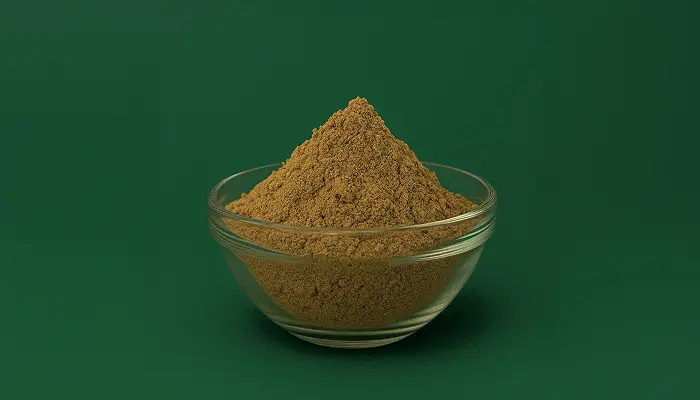
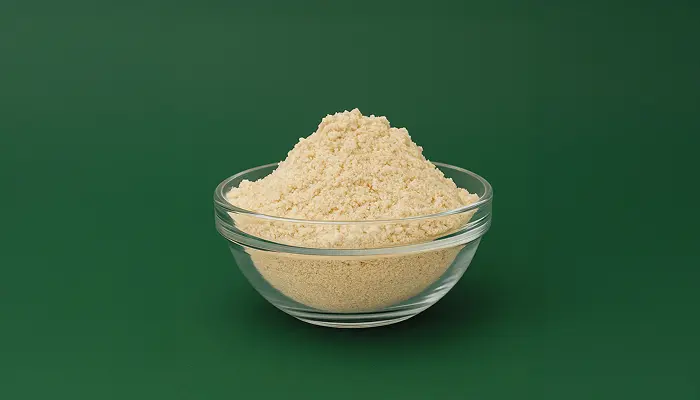
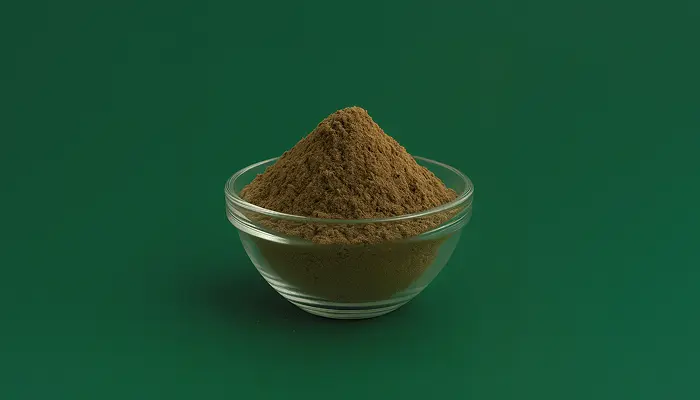
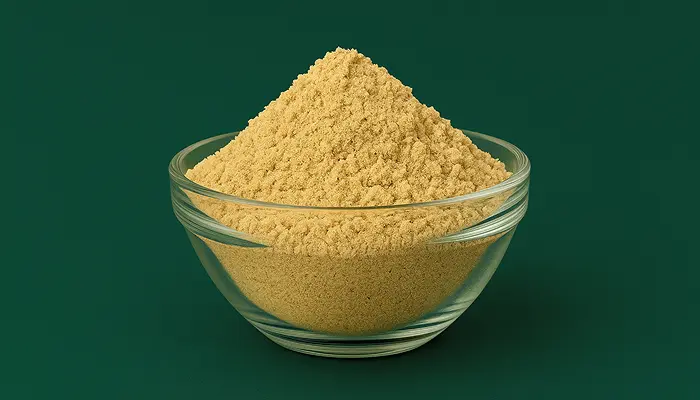
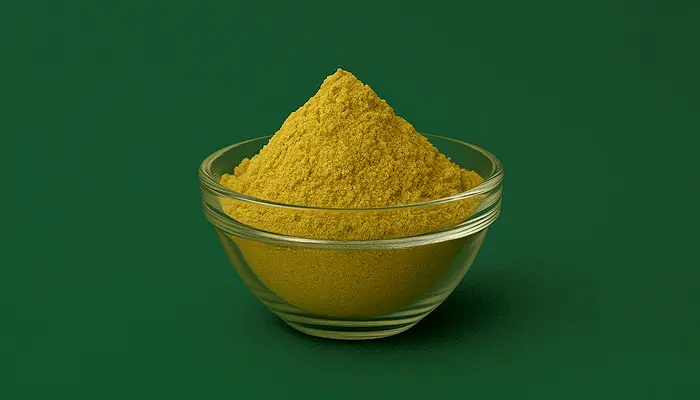
Available as a standardized root extract for metabolic-health and fat-metabolism formulations — capsules, powders, soft gels and similar formats — as well as classical formulations targeting Kapha imbalance.
Safety
Well-tolerated for long-term use within recommended dosages, with no known major drug–herb interactions when used as directed.
Scientific Validation & Clinical Research
- Bhowal & Mehta, 2017 — Phytochemical and pharmacological profile of
C. forskohlii - Loftus et al., 2015 — Forskolin supplementation and markers of metabolic health
- Badmaev et al., 2015 — Synergistic fat-metabolism effects with S. reticulata and S. indicum
- Mutolo et al., 2016 — Oral forskolin and intraocular pressure in adults
- Majeed et al., 2015 — Clinical study of forskolin 1% eye drops and eye pressure
- Ahsan et al., 2014 — Cardioprotective action of forskolin in experimental models
- Diehl et al., 2021 — Randomized clinical trial of forskolin on skin repigmentation
Sustainability & Sourcing
- Responsibly cultivated through contract-farming models in Southern India
- Sourced from pesticide-free, rainfed environments to promote environmental regeneration
- Fair-trade and farmer income-enhancing procurement practices
- Local post-harvest processing units reduce carbon footprint and ensure freshness
Safety & Compliance
Uses & benefits
Metabolic-health and fat-metabolism formulations in capsules, powders and soft gels, leveraging forskolin's cAMP-activating lipolytic profile.
Weight-management and metabolic-wellness drink mixes and fortified foods built around clinically studied forskolin actives.
Classical formulations targeting Kapha imbalance and synergistic blends with
Source clinically researched botanicals.
Partner with GreenSpace Herbs for standardized, quality-assured extracts.