

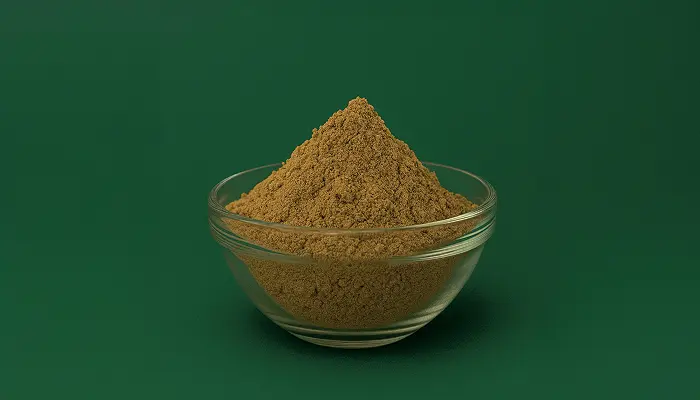
Indian Coleus (Coleus forskohlii)
The Ayurvedic root for metabolic and cardiovascular balance — source of forskolin, the rare plant compound that directly activates cellular cAMP signalling for fat metabolism, blood pressure and respiratory support.
What is Coleus forskohlii?
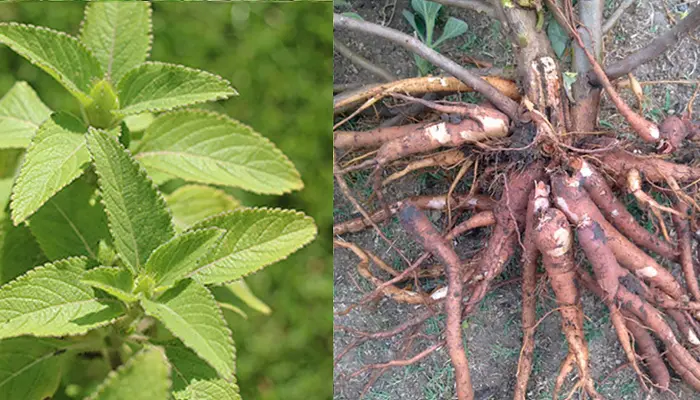
Coleus forskohlii — also known as Pashanabhedi, Makandi or Indian Coleus — is a perennial aromatic herb with fleshy tuberous roots, purple tubular flowers and green, ovate leaves with serrated margins. It is botanically classified under the Lamiaceae family and closely resembles other aromatic herbs like mint and basil. Long valued in Ayurveda as a cardiovascular and digestive tonic, it is now gaining scientific attention for its active compound forskolin, which influences key biochemical pathways in fat metabolism, blood pressure regulation and thyroid function.
In Ayurveda, Coleus is known for its ability to "break stones" (Pashanabhedi) and to regulate the Vata and Kapha doshas. It is traditionally used to support digestion, circulation and the heart, and today is widely applied in weight management and metabolic health formulations.
Where Does It Grow?
Coleus forskohlii thrives in warm, sunny locations and is often cultivated as a commercial herb crop for its economically valuable root. It is native to the subtropical and warm-temperate regions of South Asia.
Geographical Distribution
- India — especially the Deccan Plateau and South India
- Nepal
- Sri Lanka
- Thailand

Ideal Growing Conditions
- Climate — warm, subtropical conditions with plenty of sunlight
- Altitude — flourishes across the plains and lower hill slopes
- Soil — well-drained, fertile soils that favour healthy root development
- Rainfall — moderate; grown as a commercial root crop in sunny locations
Parts Used & Phytochemical Constituents
The tuberous roots are the primary medicinal part, although the aerial parts may carry mild therapeutic activity. The root's value lies in a distinctive group of labdane diterpenes, with forskolin as its signature bioactive.
- Forskolin — a labdane diterpenoid with broad pharmacological activity
- Other diterpenes — dehydroxyforskolin and coleonol
- Essential oils, sterols and flavonoids
Forskolin is unique among plant compounds for its direct activation of adenylate cyclase, which raises intracellular levels of cAMP — a vital signalling molecule that governs fat breakdown, vascular tone, bronchial relaxation and hormone release.
Therapeutic Benefits of Coleus forskohlii
Coleus offers systemic benefits through its regulatory influence on enzymes, hormones and cellular signals — particularly those governing the cardiovascular, metabolic and respiratory systems.
Weight & metabolic support
- Increases cellular cAMP, promoting fat breakdown (lipolysis)
- Useful as an adjunct in obesity management and metabolic syndrome
- Standardized Coleus extracts are often included in herbal weight-loss supplements
Cardiovascular health
- Acts as a vasodilator, relaxing blood vessel walls
- Lowers systolic and diastolic blood pressure in hypertensive individuals
- Improves heart function without affecting heart rate
- Used traditionally as a cardiotonic in Ayurveda, particularly for Vata-type cardiac symptoms
Respiratory support
- Relaxes bronchial smooth muscle through cAMP modulation
- Reduces airway resistance in asthma and bronchitis
- Forskolin inhalation has been shown to improve breathing in clinical trials
Thyroid & glucose balance
- Stimulates thyroid hormone release (T3 and T4)
- May support hypothyroid individuals with sluggish metabolism (under supervision)
- Enhances insulin sensitivity and glucose utilization in diabetic models
Eye health
- Forskolin reduces intraocular pressure when applied as eye drops
- Used in glaucoma management as a supportive herb
How to Use Coleus forskohlii Safely
Coleus should be used under supervision when taken for specific health concerns, especially those involving blood pressure or thyroid function. Common forms include:
- Root powder (Churna) — traditionally used in Ayurveda
- Standardized extracts — containing 10–20% forskolin
- Capsules / tablets — commercially prepared for metabolic or cardiac health
- Topical or ophthalmic formulations — for specific applications like glaucoma
Key Research Highlights
Modern research strongly supports Coleus's pharmacological properties, particularly the action of forskolin as a cAMP elevator, with diverse applications in medicine.
- Weight loss — clinical studies show reduced body fat percentage and improved lean mass in overweight subjects using forskolin extract
- Hypertension — forskolin reduces blood pressure without causing reflex tachycardia
- Asthma — inhaled forskolin improved forced expiratory volume (FEV1) in asthmatic patients
- Thyroid — studies show increased T3 and T4 levels without affecting TSH
Precautions & Contraindications
Although Coleus is well tolerated, its strong physiological activity warrants careful use in certain populations:
- Pregnancy and lactation — avoid due to potential uterine stimulant effects
- Low blood pressure (hypotension) — may worsen symptoms
- Heart medications — may potentiate the effects of calcium channel blockers or beta-blockers
- Bleeding disorders — may enhance bleeding risk; avoid before surgery
Coleus forskohlii bridges ancient wisdom and modern science, offering benefits in cardiovascular function, metabolic balance, weight loss and respiratory support. With forskolin as its signature bioactive, it is one of the few herbal agents with direct intracellular signalling action via cAMP elevation — and while promising and well-researched, its potent effects reward careful, personalized use under knowledgeable guidance.
References
- Godard, M. P., Johnson, B. A., Richmond, S. R. (2005). Body composition and hormonal adaptations associated with forskolin consumption in overweight and obese men. Obesity Research, 13(8), 1335–1343.
- Borrelli, F., et al. (2004). Pharmacological effects of forskolin: A review. Natural Product Communications, 69(10), 763–768.
- Hennekens, C. H., et al. (2005). Potential role of forskolin in prevention of cardiovascular disease. American Journal of Hypertension, 18(7), 912–916.
- Suen, C. S., et al. (1986). Effect of forskolin on thyroid function in vitro. Endocrinology, 119(5), 2027–2032.
- Tashkin, D. P., et al. (1984). Inhaled forskolin improves pulmonary function in asthma. Clinical Pharmacology & Therapeutics, 35(5), 675–679.
Uses & benefits
Forskolin's direct activation of adenylate cyclase elevates intracellular cAMP, driving lipolysis, vasodilation and bronchial relaxation. This underpins blood-pressure reduction without reflex tachycardia, improved heart function, airway support in asthma and bronchitis, stimulation of thyroid hormone release (T3/T4), enhanced insulin sensitivity and reduced intraocular pressure in glaucoma management.
A widely used ingredient in herbal weight-management and metabolic supplements, standardized to 10–20% forskolin. Clinical work shows reduced body-fat percentage and improved lean mass in overweight subjects. Delivered as root powder, capsules, tablets and topical or ophthalmic formulations for everyday metabolic, cardiovascular and respiratory support.
Related botanical extracts
Source clinically researched botanicals.
Partner with GreenSpace Herbs for standardized, quality-assured extracts.