

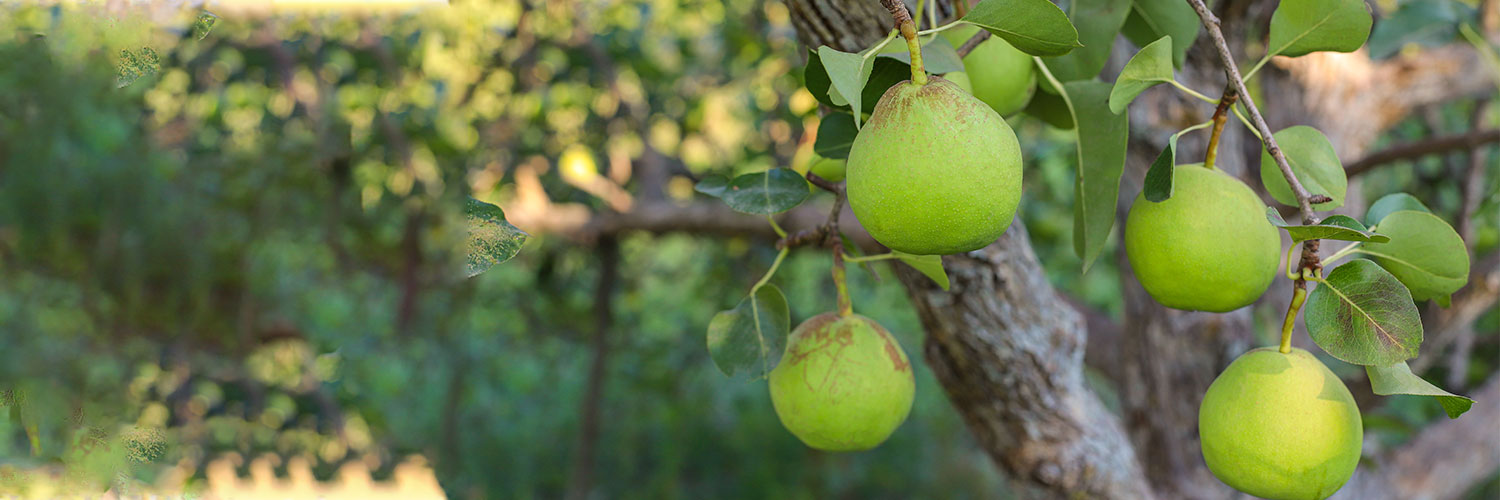
Bahera (Terminalia belerica Roxb.)
A large deciduous tree of the Indian subcontinent, recognised by its characteristic bark and obscurely 5-angled fruits — an astringent, tonic, expectorant and laxative botanical whose fruit yields a polyphenol-rich standardized extract.
What is Bahera?
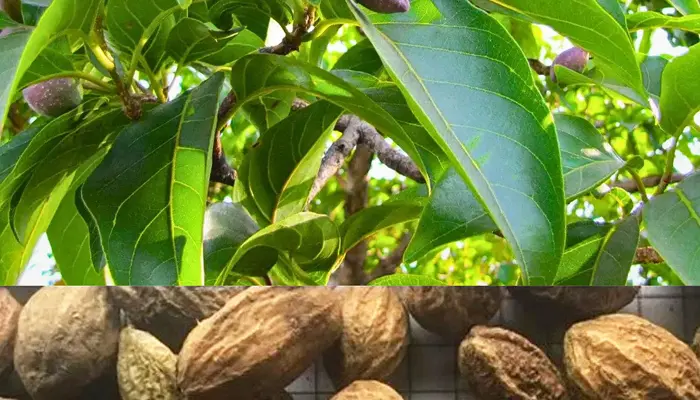
Bahera is a large deciduous tree botanically identified as Terminalia belerica Roxb., a member of the Combretaceae family. It is distinguished by its characteristic bark and its obscurely 5-angled fruits, and it is grown throughout India. The fruit is the part most prized in traditional Indian medicine, where Bahera is classed among the most valued astringent and rejuvenating botanicals — it forms one of the three fruits of the celebrated Ayurvedic formulation Triphala, alongside its close relative Haritaki (Terminalia chebula) and Amalaki.
The herb is at once astringent, tonic, expectorant and laxative — an unusually broad profile that has earned it a place in remedies for the respiratory tract, the digestive system and beyond. Its activity is attributed to a rich set of polyphenolic and sterol constituents concentrated in the fruit.
Where Does It Grow?
Bahera is native to and cultivated throughout the Indian subcontinent. As a large deciduous tree it is widely distributed across India, where it grows both in the wild and in cultivation, shedding its foliage seasonally in the manner characteristic of deciduous species.
Geographical Distribution
- Grown throughout India across a wide geographic range
- Found as a large deciduous tree both wild and cultivated
Ideal Growing Conditions
- Warm Indian plains and mixed deciduous forest belts
- Deciduous habit — sheds its leaves seasonally
- Hardy, large-canopied tree suited to a range of Indian soils
Parts Used & Active Constituents
The fruit of Bahera is the part chiefly used, valued for its pulp and its astringent, polyphenol-rich profile. The principal constituents identified in the herb are:
- Beta-sitosterol — a plant sterol present in the fruit
- Gallic acid and ellagic acid — astringent polyphenols
- Ethyl gallate and galloyl glucose — gallotannin-related compounds
- Chebulic acid — a marker polyphenol shared with its relative Haritaki
Together these constituents account for the herb's astringency and its antibacterial activity, with the fruits in particular shown to possess antibacterial properties.
Therapeutic Uses of Bahera
Bahera's broad action — astringent, tonic, expectorant and laxative — translates into a wide range of traditional applications spanning the respiratory, digestive and other systems.
Respiratory support
- Traditionally used for coughs
- Employed in the management of sore throat
Digestive & systemic uses
- The fruit pulp is used in dropsy, piles and diarrhoea
- Acts as a laxative and a general tonic
- Traditionally regarded as useful in leprosy and fever
- Valued in hair care preparations
Properties at a glance
- Astringent — owing to its tannin-rich polyphenols
- Tonic — a classical rejuvenating action
- Expectorant — supporting the clearing of the airways
- Laxative — gently supporting bowel regularity
Forms & Usage
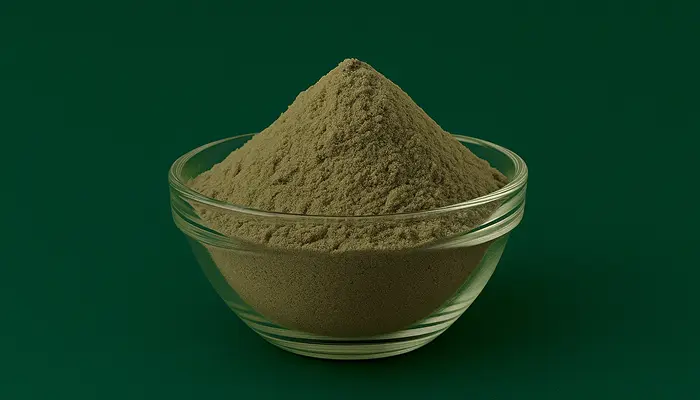
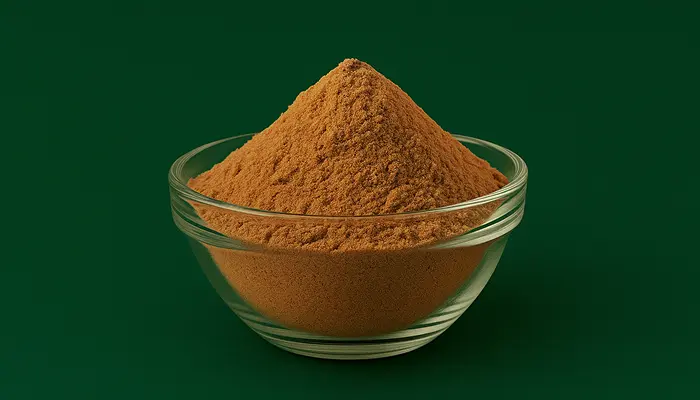
Bahera is most relevant today as a standardized fruit extract, calibrated to its polyphenolic constituents for consistent dosing in modern formulations. The dried fruit and its pulp remain the traditional source of the herb's activity, and it continues to be used as a constituent of classical multi-herb preparations such as Triphala.
- Standardized fruit extract — for dose-consistent supply
- Fruit and pulp preparations — the traditional source of its astringent action
Always consult a qualified herbalist or healthcare professional for personalised dosage and use.
Uses & benefits
Astringent, tonic, expectorant and laxative action driven by polyphenols such as gallic acid, ellagic acid and chebulic acid alongside beta-sitosterol; traditionally applied to coughs and sore throat, and the fruit pulp to dropsy, piles and diarrhoea. The fruits possess antibacterial properties.
A polyphenol-rich fruit extract suited to formulations supporting digestive comfort, respiratory ease and general vitality — and a classical component of Triphala. Also valued traditionally in hair-care preparations.
Related botanical extracts
Source clinically researched botanicals.
Partner with GreenSpace Herbs for standardized, quality-assured extracts.