

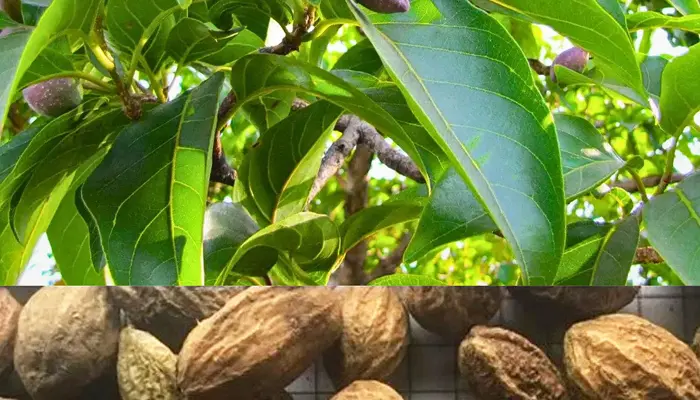
Haritaki (Terminalia chebula)
Revered in Ayurveda as the "king of medicines," Haritaki is the chief of the three fruits in Triphala — a tannin-rich Combretaceae fruit standardized to chebulagic and chebulic acids for digestive, immune and hepatoprotective support.
What is Haritaki?
Haritaki is a large deciduous tree with a rounded crown and spreading branches, botanically identified as Terminalia chebula Retz. of the family Combretaceae. Its small, ribbed fruits are the prized part of the plant — gathered and dried, they form the principal ingredient of the classical Ayurvedic formulation Triphala, alongside Bibhitaki (Terminalia bellerica) and Amalaki (Emblica officinalis). In Sanskrit the herb is known as Haritaki and in Hindi as Harada. Traditionally the fruit is described as laxative, stomachic and tonic, and in Ayurveda it is classed as a Rasayana — a rejuvenative that supports the whole digestive tract while gently clearing accumulated toxins.
Where does it grow? Geographical distribution
Terminalia chebula is native to South and Southeast Asia and is found growing wild and under cultivation across:
- India — throughout the deciduous forests of the sub-Himalayan tracts and the Deccan plateau
- Nepal, Sri Lanka and Bangladesh
- Myanmar, Thailand, southern China and the Indochina peninsula
Ideal growing conditions
The tree favours tropical and subtropical deciduous forest, thriving up to altitudes of around 1,500 metres. It tolerates a wide range of soils but grows best on well-drained clay and loamy soils, and is resilient to seasonal drought once established. Fruits are harvested in the cooler months once they have matured and begun to dry on the tree.
Parts used and active constituents
The dried fruit (pericarp) is the part used for medicine and extraction. Haritaki is exceptionally rich in hydrolysable tannins and related polyphenols. Its principal chemical constituents include:
- Chebulagic acid
- Chebulic acid
- Corilagin
- Gallic and ellagic acids
- Tannins and flavonoid glycosides
These polyphenols underpin much of the fruit's astringent, antioxidant and antimicrobial character and are the markers to which a quality extract is standardized.
Therapeutic uses of Haritaki
Haritaki is one of the most widely used single drugs in the Ayurvedic pharmacopoeia, valued for its action on the gut, its rejuvenating tonic effect, and its supportive role in immunity and liver health.
Digestive and laxative support
- Acts as a gentle, regulating laxative and stomachic
- Promotes healthy bowel movement without harsh purging
- Traditionally used for constipation, flatulence and sluggish digestion
Unlike stimulant purgatives, Haritaki is regarded as toning to the intestinal tract, which is why it is taken regularly as part of Triphala.
Immune modulation
- Studies indicate the extract possesses immunomodulatory properties
- Supports the body's natural resistance and resilience
- Traditionally used as a Rasayana to build overall vitality
Hepatoprotective and antioxidant action
- Studies indicate hepatoprotective activity, supporting liver tissue against oxidative stress
- Tannins and polyphenols scavenge free radicals and reduce oxidative damage
- Astringent action supports the integrity of mucous membranes
The fruit's high tannin content also lends it traditional use as an antimicrobial wash and gargle for the throat and gums.
Ayurvedic properties
In Ayurveda, Haritaki is described as one of the rare herbs carrying five of the six tastes (all except salty), which underlies its broad, balancing action across the three doshas.
- Rasa (taste) — predominantly Kashaya (astringent), with Amla, Katu, Tikta and Madhura
- Virya (potency) — Ushna (heating)
- Vipaka (post-digestive effect) — Madhura (sweet)
- Dosha — tridoshic; especially pacifying to Vata
Forms and safe usage
Haritaki is used both on its own and as a component of compound formulations. Common preparations include:
- Powder (Churna) — dried fruit powder, taken with warm water or honey
- Triphala — the classic equal-part blend with Bibhitaki and Amalaki
- Decoction (Kashayam) — used as a gargle or internal tonic
- Standardized extract — for dose-controlled supplement and nutraceutical use
As with any potent botanical, dosage should be guided by a qualified practitioner, and Haritaki is traditionally avoided during pregnancy, in severe dehydration and in states of exhaustion or excess heat.
Uses & benefits
Tannin- and polyphenol-driven laxative, astringent, immunomodulatory and hepatoprotective activity — supporting bowel regularity, mucous-membrane integrity, immune resilience and protection of liver tissue against oxidative stress.
A foundational digestive and Rasayana ingredient for gut-health, detox and antioxidant formulations — the chief fruit of Triphala, delivered as a standardized extract for tablets, capsules and functional supplements.
Related botanical extracts
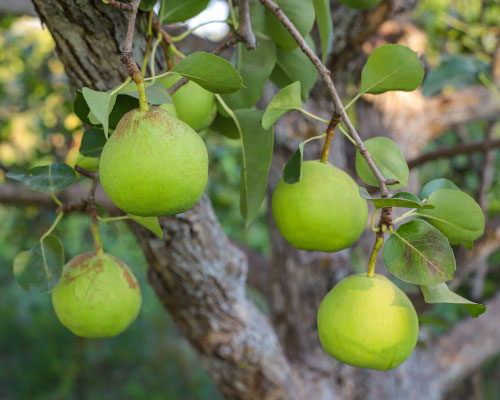


Source clinically researched botanicals.
Partner with GreenSpace Herbs for standardized, quality-assured extracts.