


Brahmi (Bacopa monnieri (Linn.) Wettst.)
A revered Medhya Rasayana of Ayurveda, Bacopa monnieri is a small creeping herb celebrated for its nootropic, cognition-enhancing action — supporting memory, focus, learning and emotional resilience.
What is Brahmi?
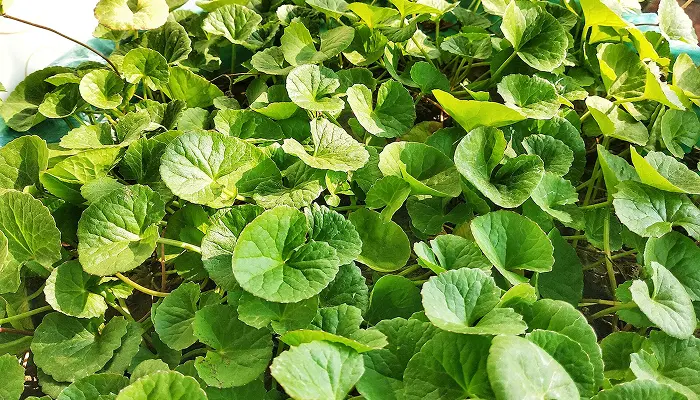
Brahmi is a low-growing, succulent herb with small, oblong leaves and pale blue or white flowers. Botanically known as Bacopa monnieri (Linn.) Wettst., the plant is named after Brahman, the universal consciousness in Vedic philosophy — symbolizing the herb's revered status in brain and consciousness enhancement.
Ayurveda classifies Brahmi as Tikta (bitter) and Kashaya (astringent) in taste, with a cooling nature. It is one of the most important Medhya Rasayanas — herbs that nourish the intellect and rejuvenate the nervous system. Today it remains a leading herbal remedy for cognitive enhancement and neurological wellness.
Where Does It Grow?
Brahmi flourishes in moist, marshy environments such as riverbanks, wetlands and paddy fields. Its affinity for water-rich habitats makes it a natural wetland creeper found across the warm regions of South and Southeast Asia.
Geographical Distribution
Bacopa monnieri is distributed widely across tropical and subtropical wetlands, including:
- India — its traditional Ayurvedic heartland
- Nepal
- China
- Sri Lanka
- Vietnam

Ideal Growing Conditions
- Climate: Warm, tropical to subtropical
- Habitat: Moist, marshy environments — riverbanks, wetlands, paddy fields
- Soil: Damp, water-retaining substrates
Brahmi thrives in water-rich environments and is commonly grown in containers, on herbal farms and in wetland gardens.
Parts Used & Phytochemical Composition
The entire plant — including leaves, stems and flowers — is used for medicinal purposes, with the leaves being the most concentrated source of active compounds. The key phytochemicals include:
- Bacosides A and B — key saponins responsible for the nootropic effects
- Alkaloids — brahmine, nicotine, herpestine
- Flavonoids — luteolin, apigenin
- Sterols, glycosides and phenolic compounds
Together, these constituents contribute to Brahmi's neuroprotective, adaptogenic, antioxidant and anxiolytic actions. The herb is used in classical formulations such as Brahmi Ghrita, Saraswatarishta and other Medhya Rasayanas.
Therapeutic Benefits of Brahmi
Traditionally and scientifically recognized for its brain-boosting properties, Brahmi also supports emotional balance, learning, immune strength and digestive health.
- Improves concentration and information retention
- Facilitates synaptic transmission and nerve regeneration
- Supports children with ADHD and adults with cognitive decline
- Acts as a natural adaptogen, helping the body cope with stress
- Protects neurons from oxidative stress and inflammation
- Supports recovery from nervous system injury and neurodegeneration
- Improves learning ability, grasping power and speech
- Useful in managing attention deficit disorders
- Its cooling properties help manage skin inflammation and minor infections
- Used in mild gastrointestinal discomforts, including ulcers and irritable bowel syndrome
How to Use Brahmi Safely
Brahmi is versatile in its forms of consumption and is generally well tolerated by all age groups. Common traditional and modern forms include:
- Powder (Churna): Commonly taken with ghee or milk
- Fresh Juice (Swarasa): Traditionally used for brain and skin health
- Capsules / Tablets: Standardized extracts for cognitive support
- Ghrita (Herbal ghee): For deep nervous system rejuvenation
- Oil: Brahmi oil is used for scalp massage to enhance brain function and sleep
Modern Research & Clinical Evidence
Modern pharmacology and clinical trials have extensively studied Brahmi's neurocognitive effects. Key research highlights include:
- Cognition: Double-blind, placebo-controlled trials show Brahmi improves memory acquisition and retention in adults and elderly individuals.
- Stress & Anxiety: Reduces anxiety scores and cortisol levels in clinical studies.
- Neuroprotection: Protects against beta-amyloid-induced neuronal damage, relevant in Alzheimer's disease models.
- ADHD: Improved learning and behavioral control in children with attention disorders.
Precautions and Contraindications
Brahmi is considered safe and non-toxic in therapeutic doses, but certain cautions apply:
- Hypothyroidism: Brahmi may lower thyroid hormone levels — monitor with physician supervision.
- Bradycardia or heart medications: May mildly slow heart rate.
- Sedatives or anti-anxiety medication: Can potentiate effects.
- Nausea or mild GI discomfort (in sensitive individuals).
Rooted in Ayurveda and backed by modern science, Brahmi offers a safe, sustainable and holistic solution for today's cognitive health challenges — when used responsibly and under expert guidance.
References
- Stough, C., Lloyd, J., Clarke, J., et al. (2001). The chronic effects of an extract of Bacopa monniera (Brahmi) on cognitive function in healthy human subjects. Psychopharmacology, 156(4), 481–484.
- Calabrese, C., Gregory, W. L., Leo, M., et al. (2008). Effects of a standardized Bacopa monnieri extract on cognitive performance, anxiety, and depression in the elderly: A randomized, double-blind, placebo-controlled trial. Journal of Alternative and Complementary Medicine, 14(6), 707–713.
- Russo, A., Borrelli, F. (2005). Bacopa monniera, a reputed nootropic plant: An overview. Phytomedicine, 12(4), 305–317.
- Anbarasi, K., Vani, G., Balakrishna, K., Devi, C. S. S. (2006). Effect of Bacopa monniera on brain antioxidant status in cigarette smoke exposed rats. Life Sciences, 78(12), 1378–1384.
- Roodenrys, S., Booth, D., Bulzomi, S., et al. (2002). Chronic effects of Brahmi (Bacopa monnieri) on human memory. Neuropsychopharmacology, 27(2), 279–281.
Uses & benefits
Neuroprotective and nootropic action — facilitates synaptic transmission and nerve regeneration, protects neurons against oxidative stress, beta-amyloid damage and neurodegeneration, and supports recovery from nervous system injury. Studied for memory, anxiety, cortisol reduction and ADHD.
A standardized cognitive-support active for memory, concentration and learning formulations. Used as a natural adaptogen for stress resilience, with supporting roles in emotional balance, skin and gastrointestinal wellness — suited to capsules, tablets and functional supplement systems.
Source clinically researched botanicals.
Partner with GreenSpace Herbs for standardized, quality-assured extracts.