

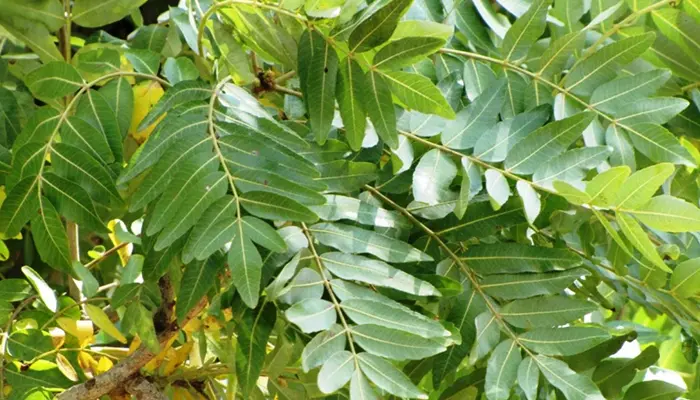
Indian Frankincense (Boswellia serrata )
A standardized extract of
What is Boswellia serrata ?
Today, that legacy of comfort and mobility is matched by a growing body of clinical evidence: standardized boswellic-acid extracts are studied for joint comfort and flexibility, a healthy inflammatory response and broader metabolic modulation.
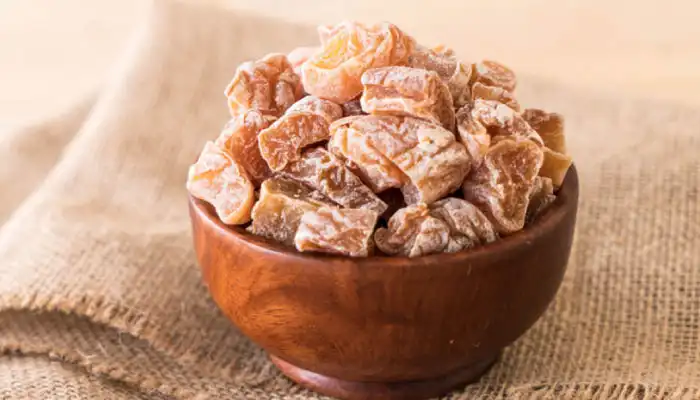
Botanical profile
- Botanical name:
Boswellia serrata Roxb. ex Colebr. - Common names: Shallaki, Indian Frankincense, Salai Guggal
- Habitat: Dry mountainous forests of India, North Africa and the Middle East
Where does it grow?
The tree thrives in dry, mountainous deciduous forests, tolerating poor, rocky soils and arid climates. In India it is harvested across the central and western states — notably Rajasthan and Madhya Pradesh — with related ranges extending into North Africa and the Middle East.
Phytochemical signature
Key bioactives
The functional activity of the resin is driven by pentacyclic triterpenic boswellic acids — most notably AKBA (3-O-acetyl-11-keto-β-boswellic acid) — alongside lupeolic acid, serratol, phellandrene and limonene.
Chemical classes
Triterpenes, sesquiterpenes and diterpenes form the principal constituent classes of the oleo-gum resin.
Standardization range
Extracts are standardized to defined levels of total boswellic acids and AKBA, with clinically studied formats such as Aflapin® and 5-Loxin® offering enriched AKBA content for enhanced potency.
Mechanism of action
Boswellic acids act primarily on 5-lipoxygenase (5-LOX), modulating leukotriene signalling, and interact with cytokine pathways including TNF-α, IL-1β and IL-6. This dual action underpins the herb's role in supporting joint comfort and a healthy inflammatory response.
Clinically studied benefits
Joint comfort & function
Its action on 5-LOX is associated with greater joint comfort, flexibility and everyday mobility. (Majeed et al., Phytotherapy Research, 2019.)
Healthy inflammatory response
Modulation of cytokine signalling (TNF-α, IL-1β, IL-6) supports a healthy inflammatory response in the joints. (Banji et al., Journal of Ethnopharmacology, 2022.)
Metabolic modulation
Emerging evidence indicates Boswellia may support healthy glucose metabolism and insulin sensitivity, helping maintain blood sugar levels already within the normal range. (Mehrzadi et al., J Evid Based Integr Med, 2018.)
Dosage & formulation options
Form types
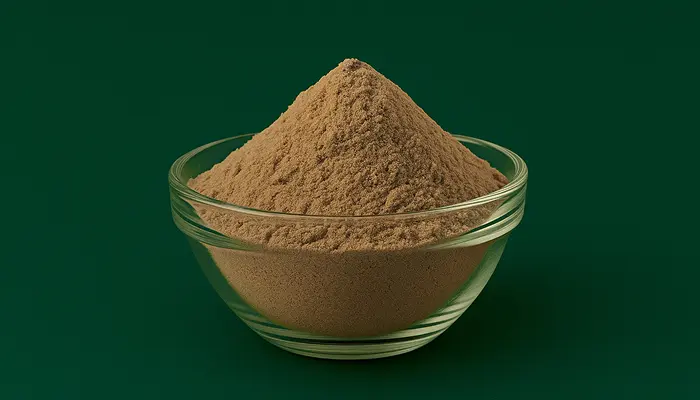
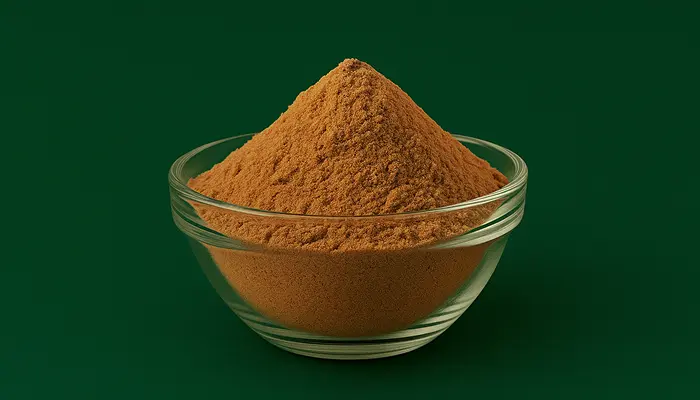
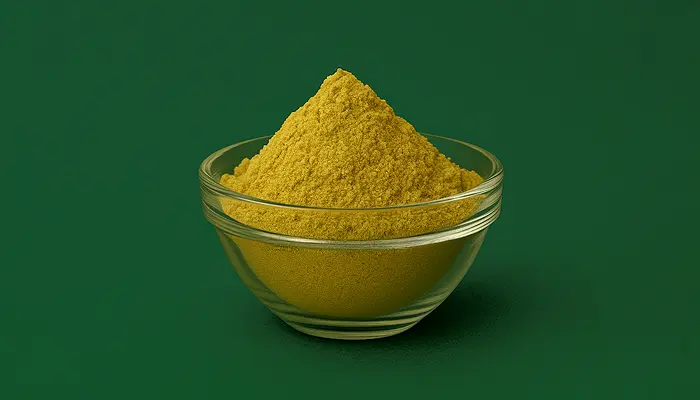
Available as standardized powder and granular extracts, as well as solid lipid particles (SLBSP) engineered for enhanced bioavailability. Clinically studied formats include Aflapin® and 5-Loxin®.
Formulation enhancements
Frequently combined with
Highlighted studies
- Majeed et al., 2019 — Joint comfort and mobility
- Karlapudi et al., 2023 — Aflapin® for knee joint comfort
- Mehrzadi et al., 2018 — Glucose metabolism support
- Banji et al., 2022 — AKBA and a healthy inflammatory response
- Farhan et al., 2019 — Joint-support effects in experimental models
Sustainability & sourcing
- Resin harvested ethically from mature trees in Rajasthan and Madhya Pradesh
- Eco-conscious extraction with minimal solvents
- Wild-harvested using sustainable tapping techniques
- Traceable sourcing via QR-coded batch management
Safety & compliance
Uses & benefits
Standardized boswellic-acid extracts for joint care — supporting comfort, mobility and a healthy inflammatory response — with emerging metabolic research applications.
Joint-comfort and metabolic-health supplements, fortified joint-support teas and wellness drinks, functional foods and beverages, and Ayurvedic herbal blends for Vata balance.
Related botanical extracts
Source clinically researched botanicals.
Partner with GreenSpace Herbs for standardized, quality-assured extracts.