

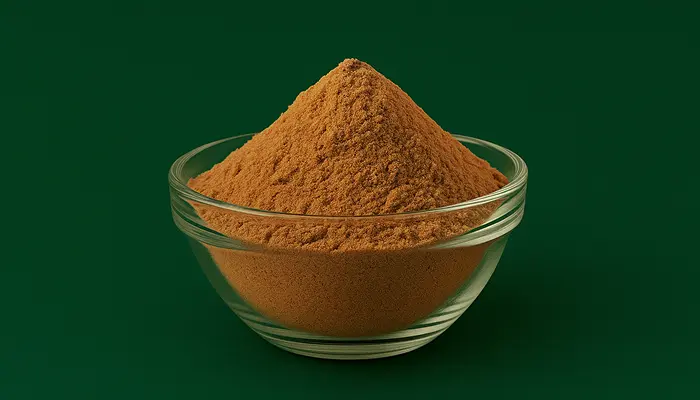
Shatavari (Asparagus racemosus Willd.)
A revered adaptogenic Rasayana known in Ayurveda as the “Queen of Herbs” — a cooling, nourishing root traditionally valued for female reproductive health and hormonal balance, while also supporting immunity, digestion and stress resilience in all genders.
What is Shatavari?
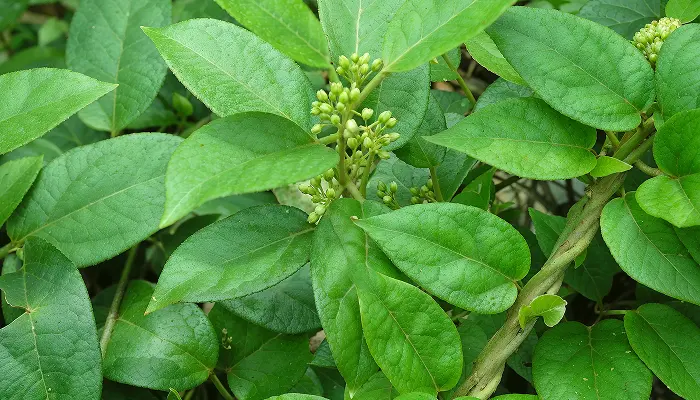
Shatavari is a woody climber with feathery foliage, small white flowers and tuberous roots. The name Shatavari in Sanskrit translates to “she who possesses a hundred husbands,” symbolising its traditional association with fertility, hormonal balance and strength in women.
Botanically classified as Asparagus racemosus Willd., Shatavari is a Rasayana herb in Ayurveda, used for rejuvenation, longevity and systemic nourishment. It is cooling in nature and primarily balances the Pitta and Vata doshas. While celebrated for women's wellness, its benefits extend to immunity, digestive function and stress resilience across all genders.
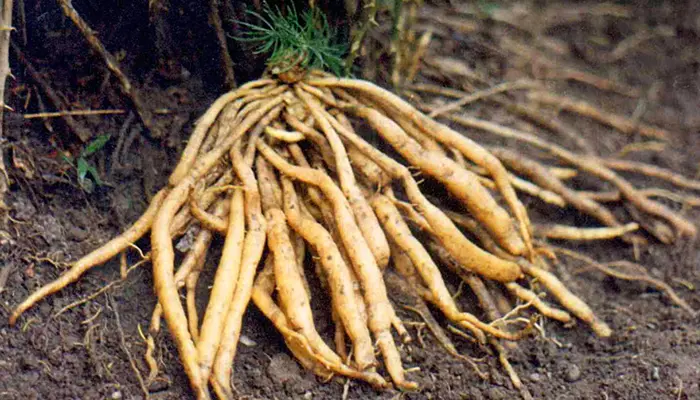
Where Does It Grow?
Shatavari is native to India and Sri Lanka, and is also found across Nepal, Bhutan, Bangladesh, and parts of Southeast Asia and Northern Australia. It thrives in forested tropical and subtropical regions, often growing wild or cultivated for medicinal use.
Geographical Distribution
- Nepal
- Bhutan
- Bangladesh
- Parts of Southeast Asia and Northern Australia

Ideal Growing Conditions
- Tropical and subtropical climates
- Warm temperatures (20–35°C)
- Humid environments with adequate rainfall
The roots are typically harvested after 1.5–2 years of growth for optimal potency.
Parts Used & Active Constituents
The tuberous roots are the most medicinally valuable part of the plant, though the leaves and stems are occasionally used in folk remedies. The roots are rich in a distinctive profile of bioactives:
- Shatavarins (mainly Shatavarin I–IV) — saponins responsible for hormonal effects
- Asparagine — a natural amino acid
- Isoflavones, alkaloids, flavonoids
- Steroidal glycosides and mucilage
Together these constituents give Shatavari its adaptogenic, galactagogue, anti-ulcer, antioxidant and hormone-balancing properties. It acts as a phytoestrogen, helping to modulate estrogen levels naturally.
Therapeutic Benefits of Shatavari
Women's reproductive health
- Reducing menstrual cramps and excessive bleeding
- Managing perimenopausal and menopausal symptoms
Lactation support
- Increases both quantity and quality of breast milk in postpartum women
- Often prescribed in classical formulations like Shatavari Kalpa
Stress & vitality
- Acts as an adaptogen, helping the body cope with physical and emotional stress
- Improves resilience, calmness and mental clarity
Digestive & systemic
- Helps in the management of hyperacidity, gastric ulcers and IBS
- Supports testosterone balance in a non-stimulant, nourishing way
- Used as an adjunct in respiratory conditions like dry cough and chronic bronchitis
How to Use Shatavari Safely
Shatavari is generally safe for most people when used appropriately. It is commonly administered in powder, extract or decoction form.
- Powder (Churna) — mixed with warm milk or ghee for daily use
- Decoction (Kashayam) — traditional liquid preparation
- Granules (Shatavari Kalpa) — sweetened formulation often taken with milk
Research Highlights
Modern science supports many of the traditional uses of Shatavari, especially in women's health, immunity and gastrointestinal protection.
- Reproductive health — animal studies show Shatavari extract enhances follicular development and regulates hormones.
- Lactation — clinical trials report increased prolactin levels in postpartum women who consumed Shatavari powder.
- Anti-ulcer effects — Shatavari mucilage helps repair gastric lining and reduce acid secretion.
- Adaptogenic action — enhances physical endurance and reduces stress-induced biochemical changes.
Precautions & Contraindications
Shatavari is considered gentle, but certain precautions should be followed to ensure its safe use.
- Estrogen-sensitive conditions (e.g. fibroids, endometriosis) — consult your doctor.
- Congestion or Kapha excess (e.g. heavy mucus, sinus issues) — may need balancing with warming herbs.
- Obesity or sluggish digestion — should be balanced with stimulating agents.
References
- Thiruvengadam, M., et al. (2014). Asparagus racemosus: A review of its phytochemistry and pharmacological profile. Fitoterapia, 92, 49–82.
- Goyal, R. K., Singh, J., Lal, H. (2003). Asparagus racemosus — An update. Indian Journal of Medical Sciences, 57(9), 408–414.
- Sabde, S., et al. (2010). Effect of Asparagus racemosus on reproductive system of male rats. Journal of Ethnopharmacology, 127(3), 693–696.
- Pandey, S. K., et al. (2005). Shatavari as a galactagogue in lactating women: A randomized controlled trial. Indian Pediatrics, 42, 965–970.
- Sairam, K., et al. (2003). Gastroduodenal ulcer protective activity of Asparagus racemosus. Journal of Ethnopharmacology, 86(1), 1–10.
Uses & benefits
A phytoestrogenic galactagogue traditionally used to ease menstrual and menopausal symptoms and to increase the quantity and quality of breast milk in postpartum women — the basis of classical formulations like Shatavari Kalpa.
A cooling Rasayana that supports stress resilience, calmness and mental clarity, while its mucilage helps protect the gastric lining — aiding the management of hyperacidity, ulcers and IBS.
Source clinically researched botanicals.
Partner with GreenSpace Herbs for standardized, quality-assured extracts.