

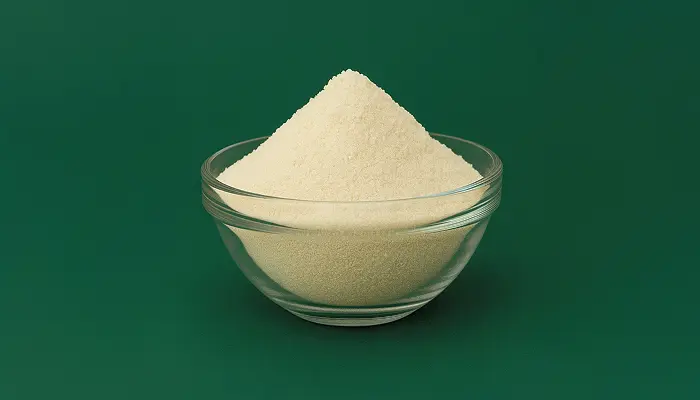
Bromelain (Ananas comosus)
Systemic enzyme therapy backed by science. A proteolytic enzyme derived from the pineapple plant, bromelain supports protein digestion, modulates inflammation, and enhances recovery — a powerful, natural adjunct for joint, muscle and digestive wellness.
What is Bromelain?
Bromelain is a proteolytic enzyme complex extracted from the stem and fruit of the pineapple plant, Ananas comosus — a species native to South America and now cultivated widely across tropical regions, including India. Chemically, it is a thiol endopeptidase: a cysteine protease enzyme complex that breaks down protein and exerts systemic anti-inflammatory effects far beyond the digestive tract.
In traditional medicine systems, pineapple has long been used to enhance digestion, support vitality and accelerate healing. Bromelain's enzymatic activity and systemic anti-inflammatory effects have elevated its use in modern integrative therapies, where it is valued as a natural adjunct for post-surgical recovery, sports performance and digestive wellness.
Origins & Ethnobotany
From a humble tropical fruit to a therapeutic enzyme, bromelain bridges traditional and modern medicine. Pineapple has been used across tropical cultures to aid digestion and wound healing, and these uses have since been substantiated by a growing body of pharmacological research.
- Geographic origin — South America; tropical Asia (India, the Philippines, Thailand)
- Extraction method — aqueous extraction followed by ultrafiltration or freeze-drying
- Source material — derived from the stem and fruit of Ananas comosus
Botanical & Biochemical Profile
Bromelain is best understood as an enzyme complex rather than a single molecule. Its key characteristics:
- Key bioactive — bromelain, a cysteine protease enzyme complex
- Chemical class — thiol endopeptidase
- Standardization — supplied as a standardized enzyme extract, measured by proteolytic activity (e.g. GDU / FIP units)
Clinically Studied Benefits
Bromelain has been studied across a range of inflammatory, post-surgical and recovery applications. The mechanisms below are drawn from the published pharmacological literature.
Anti-inflammatory activity
- Inhibits NF-κB activation and downregulates iNOS and COX-2 expression
- Suppresses MAPK signalling (ERK, JNK, p38), reducing TNF-α, IL-6 and nitric oxide
- Supports inflammation resolution without the GI side effects seen with NSAIDs
Pain relief & edema reduction
- Reduces post-surgical pain, swelling and bruising
- Decreases inflammatory mediator release and modulates prostaglandin pathways
- Effective in oral surgery, sports injuries and sinusitis
Muscle recovery & exercise performance
- Minimizes exercise-induced muscle damage markers (CK, LDH)
- Helps maintain testosterone levels during intense training
- Enhances recovery across multiple-day athletic events
Saliva enhancement & respiratory support
- Bromelain–glucosylceramide improves mucosal hydration and skin barrier function, useful in dry-mouth and radiation-induced xerostomia
- Mucolytic and anti-inflammatory action in the respiratory tract
- Reduces cough frequency and upper-respiratory irritation
Dosage & Formulation Options
Bromelain is versatile across delivery formats and pairs well with complementary botanicals for synergistic enzyme blends.
- Form types — capsules, tablets, powders, beverages and lozenges
- Suggested dose — 500–2000 mg/day of standardized bromelain extract
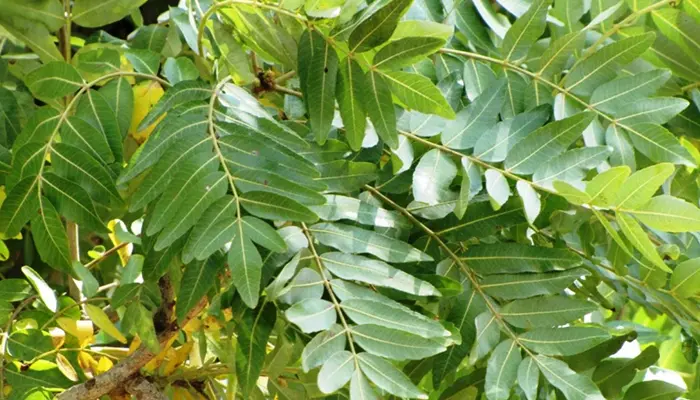
- Formulation enhancements — frequently combined with Curcuma longa, Zingiber officinale, Carica papaya (Papain), Withania somnifera and Triphala
Scientific Validation & Clinical Research
A robust and growing evidence base supports bromelain's role in enzyme therapy. Highlighted studies include:
- Bottega et al., 2021 — anti-inflammatory activity post-digestion (Bromeyal™)
- Colletti et al., 2024 — post-surgical swelling in third-molar extraction
- Chakraborty et al., 2021 — comprehensive pharmacological profile
- Hu et al., 2022 — bromelain in fatty liver and autophagy pathways
- Tsai et al., 2023 — synergy with chemotherapy in colorectal cancer
- Mekkawy et al., 2021 — radiosensitization via Ki-67 & PARP-1 inhibition
- Shing et al., 2016 — muscle recovery in a multi-day cycling race
- Azarkan et al., 2020 — structural and cytotoxic properties of Ananas comosus enzymes
- Rathnavelu et al., 2016 — review on bromelain in clinical therapies
- Noda et al., 2021 — bromelain–glucosylceramide in oral hydration
- Mohamad et al., 2020 — pineapple vinegar effects on gut microbiota
Sustainability & Sourcing
- Derived from pineapple processing by-products (stem waste)
- Sourced from organic-certified farms in India and Southeast Asia
- Eco-conscious enzyme extraction with minimal water and solvent use
- Biodegradable waste and zero-residue manufacturing
Safety & Compliance
Bromelain is well-tolerated in clinical studies and considered safe for long-term use under recommended dosages. Our extract is third-party tested and carries clean-label credentials:
- Non-GMO · Vegan · Gluten-Free
- Kosher & Halal available
- Third-party tested for purity and proteolytic activity
Uses & benefits
Systemic anti-inflammatory action via NF-κB, COX-2 and MAPK pathway modulation; reduction of post-surgical pain, swelling and bruising in oral surgery, sports injuries and sinusitis; mucolytic respiratory support; and adjunct roles studied in fatty-liver, oncology and radiosensitization research.
A protein-digesting enzyme for digestive wellness and gut health; muscle-recovery and exercise-performance support that lowers CK and LDH damage markers; and a clean-label active for functional foods, beverages, lozenges and Ayurvedic enzyme blends — combined with Curcuma, Ginger, Papain and Ashwagandha.
Source clinically researched botanicals.
Partner with GreenSpace Herbs for standardized, quality-assured extracts.