

Karela (Momordica charantia)
The bitter fruit for blood sugar balance and detox — a climbing vine prized in Ayurveda, Traditional Chinese Medicine and Unani for its powerful glucose-lowering, digestive and cleansing properties.
What is Karela?
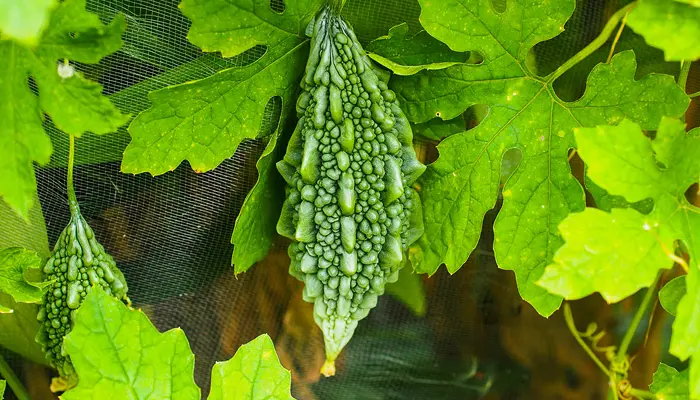
Karela is a tropical and subtropical vine that produces warty, elongated green fruits with an intensely bitter taste. Botanically identified as Momordica charantia and known commonly as Bitter Gourd or Bitter Melon, the plant belongs to the Cucurbitaceae family and bears lobed leaves and yellow flowers. While often consumed as a vegetable in Indian and Southeast Asian cuisine, its fruit, leaves and seeds are all used medicinally. The fruit's bitterness is symbolic of its deep cleansing action within the body, particularly in diabetes management, liver health and skin disorders.
In Ayurveda, Karela is categorized under Tikta rasa (bitter taste) with Ushna virya (heating potency), making it a classical bitter tonic whose actions resonate with today's needs — blood sugar regulation, metabolic cleansing and digestive enhancement.
Where Does It Grow?
Karela is a tropical and subtropical climber, commonly grown in kitchen gardens, herbal farms and organic fields as a seasonal vine supported by trellises. It is widely cultivated across South and Southeast Asia and into Africa.
Geographical Distribution
- Tropical Asia — India, Pakistan, Bangladesh and Sri Lanka
- Southeast Asia — Thailand, Indonesia and the Philippines
- China and parts of Africa

Ideal Growing Conditions
- Climate — tropical to subtropical with warm temperatures
- Soil — well-drained sandy loam rich in organic matter
- Grown as a seasonal climber on trellises in kitchen gardens, herbal farms and organic fields
Parts Used & Phytochemical Constituents
The fruit, leaves and seeds are all used medicinally, with the unripe fruit considered most potent for therapeutic use. These constituents exert anti-diabetic, anti-inflammatory, antiviral and hepatoprotective effects. Key bioactive compounds include:
- Charantin — a hypoglycemic compound that mimics insulin
- Polypeptide-p (plant insulin) — a protein with insulin-like effects
- Vicine — an alkaloid with antidiabetic activity
- Momordicin and cucurbitane-type triterpenoids
- Flavonoids, saponins, tannins and phenolic acids
Therapeutic Benefits of Karela
Karela's potent bitterness translates into deep metabolic and purifying effects. It is particularly useful in diabetes, liver dysfunction, skin eruptions and digestive sluggishness.
Blood sugar & metabolism
- Stimulates insulin secretion and glucose uptake in cells
- Improves insulin sensitivity in Type 2 diabetes
- Reduces fasting and postprandial glucose levels
- Used traditionally as an adjunct in mild to moderate diabetes or prediabetic states
- Supports weight loss efforts in metabolic syndrome
Liver & detoxification
- Promotes liver enzyme activity and bile secretion
- Assists in liver detoxification and supports regeneration
- Beneficial in conditions like fatty liver, jaundice and hepatitis
Skin & blood purification
- Reduces acne, eczema and boils through blood detoxification
- Used in traditional formulations for leprosy, ringworm and skin allergies
Digestive & immune support
- Improves appetite, digestion and intestinal motility
- Effective against intestinal worms, especially in children
- Traditionally used to treat dyspepsia, gastritis and constipation
- Exhibits antiviral activity against HIV and herpes virus in laboratory studies
- Boosts immune defenses by reducing oxidative stress
How to Use Karela Safely
Karela can be incorporated into both daily diets and therapeutic regimens, depending on the desired benefit. The juice, capsules and cooked vegetable are the most common forms.
- Fresh fruit juice — popular in diabetes support
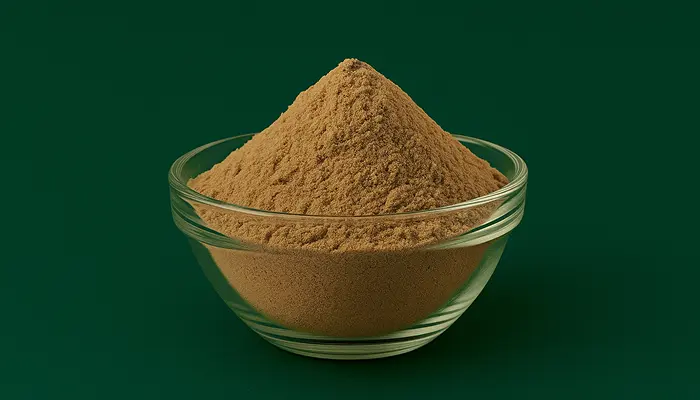
- Dried powder (Churna) — used with warm water or honey
- Capsules / Tablets — standardized for charantin or polypeptide-p
- Cooked vegetable (subzi or stir-fry) — traditional culinary use
- Leaves and decoction — used in fevers and worm infestations
Key Research Highlights
Modern research has confirmed Karela's traditional applications, especially in the context of diabetes, obesity and liver function.
- Hypoglycemic effects — clinical trials demonstrate improved glycemic control with Karela juice and extracts
- Insulin-mimetic action — polypeptide-p and charantin shown to reduce glucose in animal and human studies
- Lipid-lowering — significant reduction in serum cholesterol and triglycerides observed in Type 2 diabetic patients
- Hepatoprotective — experimental studies show protection against drug-induced liver damage
Precautions & Contraindications
Despite its strong therapeutic effects, Karela requires caution, especially when used in concentrated or extract forms.
- Pregnancy — avoid due to potential uterine stimulant effects
- Lactation — bitter compounds may pass into breast milk
- Children under 5 years — fresh juice may cause hypoglycemia or GI upset
- Diabetes medication — risk of hypoglycemia; monitor blood glucose levels
- Hypoglycemia if combined with insulin or other anti-diabetics
- Rare cases of favism in G6PD-deficient individuals (from seeds)
References
- Grover, J. K., et al. (2004). Medicinal plants of India with antidiabetic potential. Journal of Ethnopharmacology, 81(1), 81–100.
- Raman, A., Lau, C. (1996). Anti-diabetic properties and phytochemistry of Momordica charantia L. (Cucurbitaceae). Phytomedicine, 2(4), 349–362.
- Ahmad, Z., Zahir, A., Khan, M. A. (2012). Hypoglycemic activity of bitter gourd (Momordica charantia) fruit juice in normal and alloxan diabetic rabbits. Pakistan Journal of Nutrition, 11(6), 522–526.
- Singh, N., Gupta, M., Sirohi, P., Varsha. (2008). Antioxidant and hepatoprotective effects of Momordica charantia extract. Indian Journal of Experimental Biology, 46, 515–521.
- Basch, E., et al. (2003). Bitter melon (Momordica charantia): A review of efficacy and safety. American Journal of Health-System Pharmacy, 60(4), 356–359.
Uses & benefits
Hypoglycemic and insulin-mimetic action from charantin and polypeptide-p, improving glycemic control in Type 2 diabetes; lipid-lowering activity reducing serum cholesterol and triglycerides; hepatoprotective support against drug-induced liver damage; antiviral and anti-inflammatory effects validated in laboratory studies.
Incorporated into nutraceuticals, herbal teas, diabetic blends and functional foods globally. A bitter metabolic tonic supporting blood sugar balance, liver detoxification, digestive motility, skin health and immune resilience — available as juice, powder, capsules and cooked vegetable.
Source clinically researched botanicals.
Partner with GreenSpace Herbs for standardized, quality-assured extracts.