
Vrikshamla (Garcinia cambogia)
The Malabar Tamarind — a tropical fruit whose rind has gained global attention as a natural, non-stimulant aid for weight management, appetite control and metabolic balance.
What is Vrikshamla?
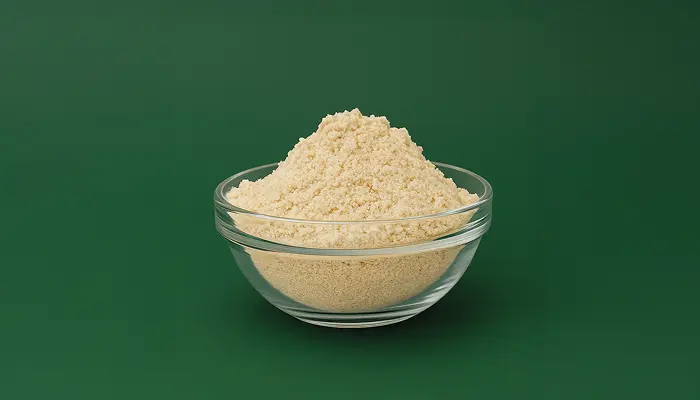
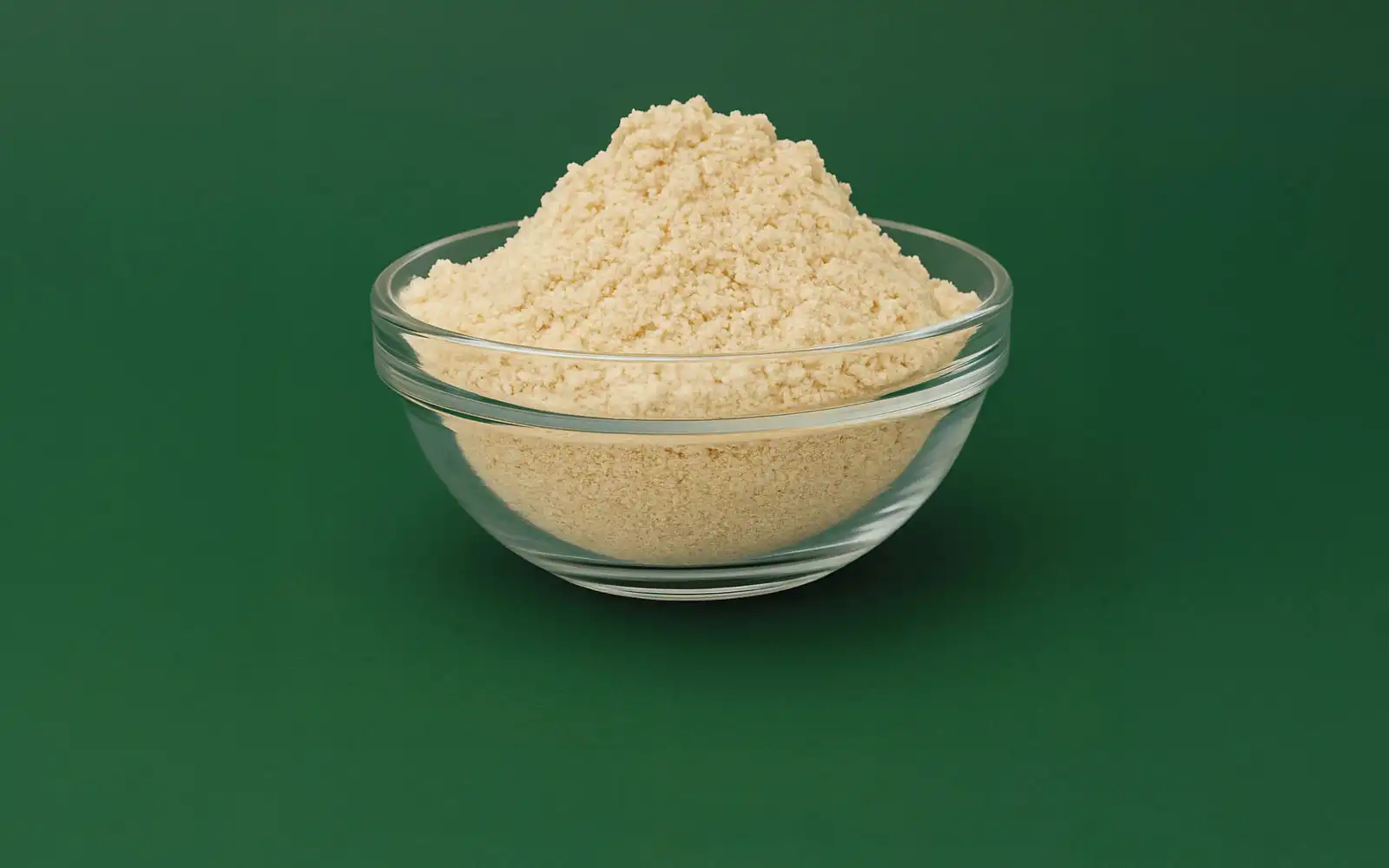
Garcinia cambogia, known in Ayurveda as Vrikshamla or Malabar Tamarind, is a medium-sized evergreen tree that produces small, pumpkin-shaped yellow to green fruits. The fruit rind is the primary part used for medicinal and culinary purposes. When dried, the rind becomes dark brown and is commonly used in curries, pickles and traditional digestive preparations in Kerala and coastal Karnataka. In Ayurveda, Vrikshamla is considered Amla (sour) and Laghu (light), and it holds a place in classical texts as a digestive, carminative and fat-reducing agent.
Where Does It Grow?
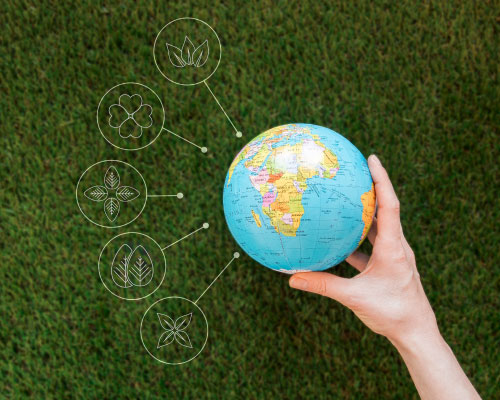
Vrikshamla is native to the humid tropics of South and Southeast Asia and thrives in shaded, high-rainfall environments. The tree prefers shaded conditions and is often found in evergreen forests and homestead gardens.
Geographical Distribution
- The Western Ghats of India — Kerala, Karnataka and Maharashtra
- Southern India — particularly Kerala and coastal Tamil Nadu
- Indonesia
- Thailand
- Myanmar
- Sri Lanka
- Parts of Central and West Africa
Ideal Growing Conditions
- Climate — warm, humid tropical conditions with partial shade
- Altitude — low to mid elevations in evergreen forest zones
- Soil — well-drained, fertile soils of homestead gardens and forest margins
- Rainfall — high annual rainfall typical of the Western Ghats belt
Parts Used & Phytochemical Constituents
The fruit rind (pericarp) is the primary medicinal and culinary part. Its activity is driven by a concentration of organic acids and protective polyphenols.
- Hydroxycitric acid (HCA) — the primary active compound, present at up to 30% in the dried rind
- Citric acid and other organic acids
- Polyphenols and flavonoids
- Garcinol — an anti-inflammatory and antioxidant constituent
HCA works by inhibiting ATP citrate lyase, an enzyme involved in converting excess carbohydrates into fat — thereby reducing lipogenesis and potentially increasing satiety.
Therapeutic Benefits of Garcinia cambogia
Garcinia offers a range of benefits focused on appetite regulation, fat metabolism, digestive function and anti-inflammatory support. It is especially suited to modern health challenges such as obesity, metabolic syndrome and overeating.
Weight & fat metabolism
- Suppresses lipogenesis, the process of converting carbohydrates into fat
- Enhances fat oxidation and reduces fat accumulation in adipose tissue
- Supports reduction of belly fat and waist circumference
- Especially effective when combined with portion control and regular exercise
Appetite & satiety
- Reduces appetite by increasing serotonin levels in the brain
- Helps manage emotional eating and excessive food cravings
- Enhances satiety signals, reducing overall calorie intake
Digestive support
- Stimulates digestive enzymes and improves gastric emptying
- Traditionally used after meals in spicy or rich dishes to prevent heaviness
Lipid, glucose & antioxidant support
- May reduce serum triglycerides, total cholesterol and LDL levels
- Improves glucose tolerance and supports blood sugar regulation in insulin-resistant individuals
- Garcinol and polyphenols protect tissues — including the liver and pancreas — from oxidative stress
- May reduce markers of chronic inflammation related to obesity and metabolic syndrome
Forms & Safe Usage
Vrikshamla is available in both traditional Ayurvedic and modern supplement forms. Its dried rind is used in cooking, while standardized extracts are used in metabolic support supplements.
- Dried rind (whole or powdered) — used in culinary and herbal formulations
- Extracts — standardized to 50–60% HCA, widely available in capsule form
- Tablets, teas, syrups — often combined with Triphala or Guggulu
- Culinary uses — a tamarind substitute in coastal Indian dishes
Used responsibly, alongside a balanced diet, mindful eating and physical activity, Vrikshamla can be a valuable component of an integrative approach to metabolic health.
Key Research Highlights
Vrikshamla has been extensively studied for its anti-obesity effects, with promising results across preclinical and clinical settings.
- Weight loss — randomized controlled trials have demonstrated modest weight loss and reduced BMI with Garcinia extract (HCA 1500–2800 mg/day).
- Appetite suppression — increased serotonin levels observed in animal models, correlating with decreased food intake.
- Lipid lowering — HCA supplementation reduced serum triglyceride and LDL levels in overweight subjects.
- Anti-inflammatory — Garcinol has shown COX-2 inhibition and antioxidant properties in laboratory studies.
Results vary depending on dosage, formulation and lifestyle factors, emphasizing the importance of holistic integration.
Precautions & Contraindications
While Vrikshamla is generally well tolerated, certain precautions should be observed — particularly when using concentrated extracts.
- Pregnancy and lactation — avoid due to insufficient safety data
- Diabetes — may lower blood sugar; monitor if on antidiabetic drugs
- Depression or anxiety — HCA increases serotonin levels and may interact with SSRIs or mood stabilizers
- Liver disorders — use only under supervision, especially with high-concentration extracts
- Liver stress has been rarely reported in individuals taking high doses with other hepatotoxic agents
References
- Onakpoya, I., Hung, S. K., Perry, R., Wider, B., Ernst, E. (2011). The efficacy of Garcinia cambogia as a weight-loss supplement: a systematic review and meta-analysis of randomized clinical trials. Journal of Obesity, 2011, 509038.
- Hayamizu, K., et al. (2003). Effects of Garcinia cambogia extract on serum lipid levels and visceral fat accumulation in humans. Journal of Oleo Science, 52(9), 499–505.
- Roy, S., et al. (2013). Anti-obesity and lipid-lowering activity of Garcinia cambogia in animal models. Nutrition Research, 33(5), 355–361.
- Kovacs, E. M., Westerterp-Plantenga, M. S. (2006). Effects of (−)-hydroxycitric acid on appetite, fat oxidation, energy expenditure and body weight. International Journal of Obesity, 30(6), 874–882.
- Murthy, S. N., Ranjekar, P. K., Deshpande, U. R. (2004). Antioxidant and anti-inflammatory activities of Garcinia species. Phytomedicine, 11(6), 530–538.
Uses & benefits
HCA inhibits ATP citrate lyase to suppress lipogenesis and enhance fat oxidation; raises serotonin to curb appetite and emotional eating; reduces serum triglycerides, total cholesterol and LDL; supports glucose tolerance in insulin resistance; Garcinol delivers COX-2 inhibition and antioxidant protection of liver and pancreas.
A non-stimulant, plant-based aid for weight management standardized to 50–60% HCA — used in capsules, tablets, teas and syrups, often with Triphala or Guggulu. The dried rind doubles as a digestive carminative and culinary tamarind substitute that eases heaviness after rich meals.
Related botanical extracts
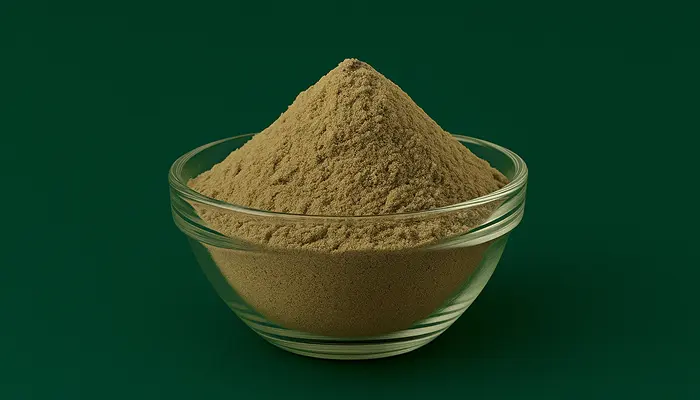
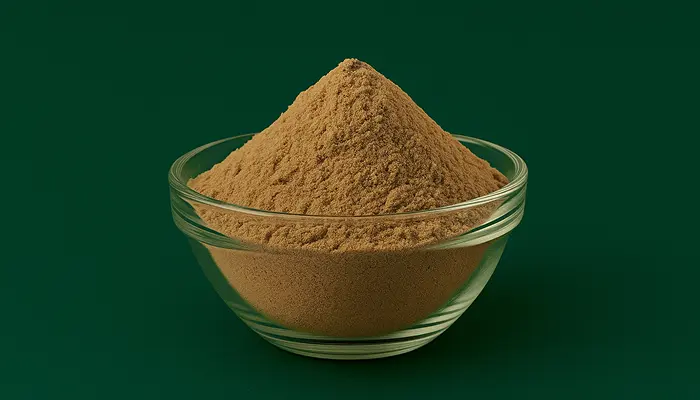
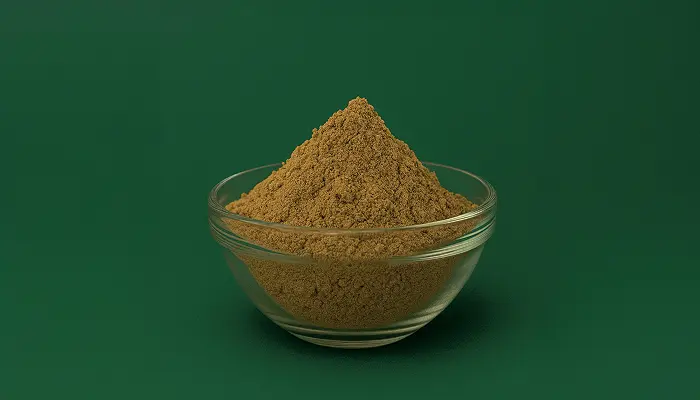
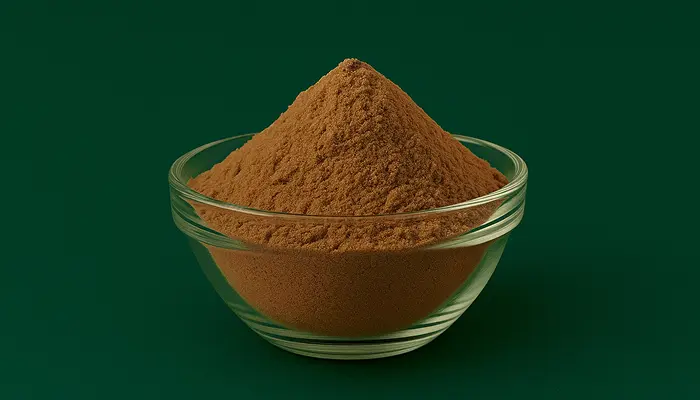
Source clinically researched botanicals.
Partner with GreenSpace Herbs for standardized, quality-assured extracts.