

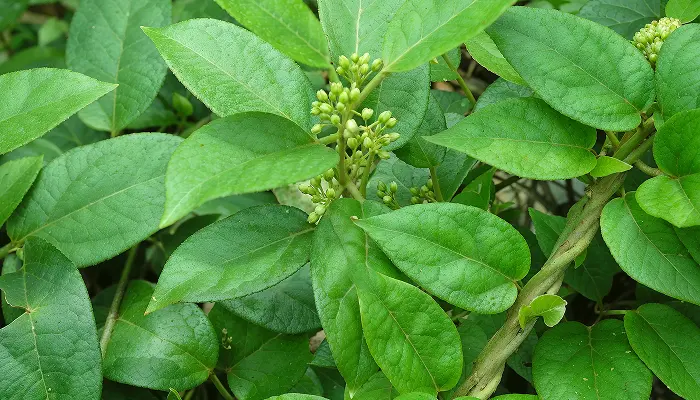
Gymnema sylvestre (Madhunashini)
Known in Ayurveda as Madhunashini — "destroyer of sugar" — this woody climber is traditionally used to regulate blood sugar, support insulin function and promote metabolic health.
What is Madhunashini?
Gymnema sylvestre, commonly known as Madhunashini in Ayurveda — meaning "destroyer of sugar" — is a potent herb traditionally used to regulate blood sugar levels, support insulin function and promote metabolic health. Revered in both the Ayurveda and Siddha systems for centuries, this woody climbing plant is now globally recognized as a botanical ally in the management of diabetes and sugar cravings.
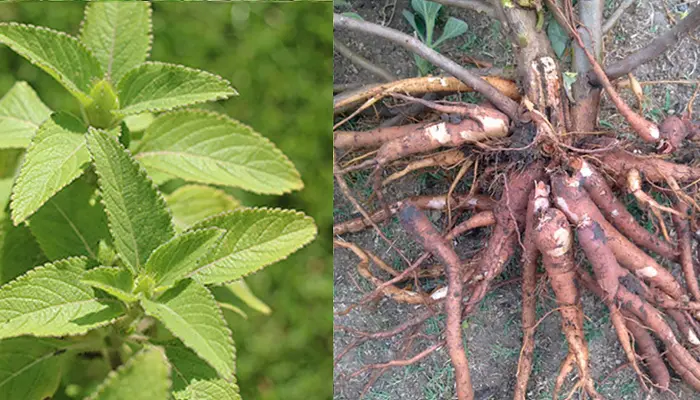
It is a slender, perennial woody climber with soft, ovate leaves and small yellow flowers. Native to tropical forests, the plant has a long history in Ayurvedic medicine, where it is used as a Medohara (fat-reducing) and Pramehahara (anti-diabetic) herb. Madhunashini is known for its Tikta (bitter) taste and Ushna Virya (heating energy), and it balances the Kapha and Vata doshas.
Where Does It Grow?
Gymnema grows naturally in tropical deciduous and evergreen forests and is cultivated commercially in India for its medicinal leaves.

Geographical Distribution
- Central and Southern India — its traditional heartland of cultivation and wild collection
- Sri Lanka
- Southeast Asia — Indonesia, Malaysia and Thailand
- Tropical Africa and Australia — naturalised across select tropical pockets
Ideal Growing Conditions
- Climate — warm, tropical conditions
- Altitude — low to moderate elevations
- Soil — well-drained sandy loam with moderate fertility
- Rainfall — adequate tropical rainfall
Gymnema requires a climbing support system when cultivated and is often grown on fences or trellises in herbal gardens.
Parts Used and Phytochemical Constituents
The leaves are the primary medicinal part used in both traditional and modern formulations. These constituents contribute to the herb's hypoglycemic, anti-sweetness, anti-inflammatory and lipid-lowering effects.
Key Active Compounds
- Gymnemic acids — a group of triterpenoid saponins that suppress sweet taste and delay glucose absorption
- Gurmarin — a polypeptide that temporarily blocks sugar receptors on the tongue
- Flavonoids, alkaloids, betaine and stigmasterol
- Condensed tannins and phytosterols
Therapeutic Benefits of Gymnema sylvestre
Blood-sugar regulation
- Gymnemic acids inhibit intestinal glucose absorption
- Delays carbohydrate digestion and postprandial sugar spikes
- Reduces blood glucose levels in both Type 1 and Type 2 diabetes
Pancreatic & insulin support
- Stimulates the regeneration of pancreatic β-cells
- Increases insulin sensitivity in peripheral tissues
Appetite & sugar cravings
- Reduces the desire for sugary snacks and helps regulate appetite
- Supports healthy eating behaviours in diabetics and weight-loss programmes
Lipid & weight management
- Decreases serum triglycerides, LDL cholesterol and total cholesterol
- Promotes fat metabolism and reduces adipose-tissue accumulation
- Traditionally used in obesity, metabolic syndrome and fatty liver
Antioxidant & protective action
- Reduces oxidative stress in diabetic complications
- Protects renal, hepatic and cardiovascular tissues from glycation and inflammation
- Supports liver detox and chronic inflammatory conditions
Madhunashini is particularly valuable in managing metabolic disorders, especially those related to hyperglycemia, insulin resistance and obesity. It offers both sugar control and pancreatic support, making it a vital herb in integrative diabetes care.
How to Use Madhunashini Safely
Gymnema can be used in various forms — powder, capsules, decoctions or standardized extracts — based on individual health goals.
Common Forms
- Leaf powder (Churna) — taken with warm water or honey
- Standardized extracts — typically containing 25–75% gymnemic acids
- Capsules / Tablets — convenient for routine supplementation
- Decoction (Kashayam) — traditional preparation used in Ayurveda
- Teas or infusions — mild preparations used for daily metabolic support
Key Research Highlights
Modern pharmacology has validated many of Gymnema's traditional uses, particularly in diabetes management and pancreatic health.
- Blood-sugar control — randomized trials show Gymnema extract reduces fasting and postprandial glucose in Type 2 diabetes
- Insulin secretion — animal studies show β-cell regeneration and increased insulin levels
- Weight and lipid management — clinical use linked to decreased body weight, BMI and cholesterol
- Taste-modifying effect — studies confirm gymnemic acids suppress sweet-taste perception for up to 90 minutes
Gymnema sylvestre (Madhunashini) is a remarkable herb that aligns ancient wisdom with modern metabolic challenges. Its unique ability to suppress sugar taste, regulate blood glucose and support pancreatic regeneration positions it as a cornerstone herb in holistic diabetes care. Whether used alone or in synergy with other Ayurvedic herbs like Gudmar, Triphala or Shilajit, Gymnema offers safe, non-stimulant metabolic support — when guided by clinical understanding and thoughtful dosing.
Precautions and Contraindications
Gymnema is generally safe, but individuals with underlying health conditions or on medication should take it under supervision.
- Pregnancy and lactation — limited safety data; avoid unless prescribed
- Hypoglycemia risk — may enhance the effects of antidiabetic medications; monitor blood sugar closely (especially when combined with insulin or oral antidiabetics)
- Surgical procedures — discontinue two weeks before surgery to avoid blood-sugar fluctuations
- Mild GI disturbances — such as nausea or flatulence may occur in sensitive individuals
References
- Shanmugasundaram, E. R. B., et al. (1990). Possible regeneration of islets of Langerhans in streptozotocin-diabetic rats given Gymnema sylvestre leaf extracts. Journal of Ethnopharmacology, 30(3), 265–279.
- Liu, B., Asare-Anane, H., Al-Romaiyan, A., Huang, G. (2009). Characterization of the insulinotropic activity of an aqueous extract of Gymnema sylvestre in mouse and human islets of Langerhans. Cellular Physiology and Biochemistry, 23(1–3), 125–132.
- Tiwari, P., Mishra, B. N., Sangwan, N. S. (2014). Phytochemical and pharmacological properties of Gymnema sylvestre: An important medicinal plant. BioMed Research International, 2014, 830285.
- Persaud, S. J., Al-Majed, H., Raman, A., Jones, P. M. (1999). Gymnema sylvestre stimulates insulin release in vitro by increased membrane permeability. Journal of Endocrinology, 163(2), 207–212.
- Kumar, S. N., et al. (2010). Gymnemic acids: A molecular insight of its antidiabetic activity. International Journal of Green Pharmacy, 4(2), 88–93.
Uses & benefits
Gymnemic acids inhibit intestinal glucose absorption and delay carbohydrate digestion, reducing fasting and postprandial glucose in Type 1 and Type 2 diabetes. The herb stimulates pancreatic β-cell regeneration, increases insulin sensitivity, and lowers serum triglycerides, LDL and total cholesterol — protecting renal, hepatic and cardiovascular tissues from glycation and inflammation.
A standardized 25–75% gymnemic-acid leaf extract for blood-sugar, appetite and metabolic-wellness products. Gurmarin's taste-modifying action suppresses sweet-taste perception and curbs sugar cravings — supporting weight-management and diabetic-care formulations as capsules, tablets, powders, decoctions and teas.
Source clinically researched botanicals.
Partner with GreenSpace Herbs for standardized, quality-assured extracts.