

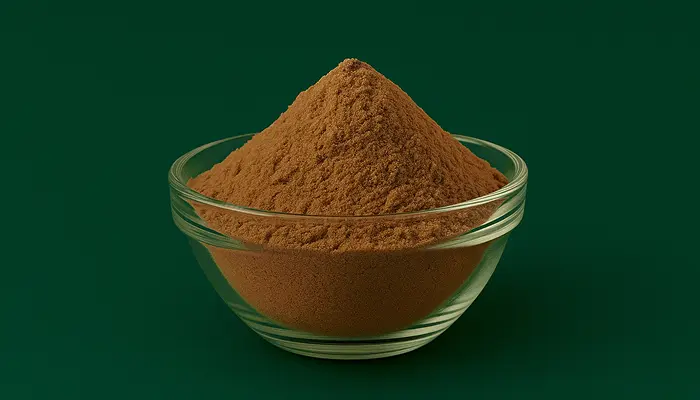
Guduchi (Tinospora cordifolia)
Known as Amrita, "the immortal one" — one of Ayurveda's most potent Rasayana herbs, valued as a rejuvenator, immunomodulator, detoxifier and anti-inflammatory agent.
What is Guduchi?
Guduchi is a perennial climbing shrub with heart-shaped leaves and aerial roots that often grow intertwined with large trees like neem or mango. It is botanically identified as Tinospora cordifolia and belongs to the Menispermaceae family. In Ayurvedic classics it is celebrated as Amrita — "the immortal one" — and ranks among the most revered Rasayana (rejuvenative) herbs, prized for enhancing resilience to disease, supporting longevity and restoring vitality in those weakened by chronic illness or stress.
In Ayurveda, Guduchi is considered Tikta (bitter) and Kashaya (astringent) in taste, with Ushna virya (heating potency). It balances all three doshas, making it a uniquely versatile herb that bridges classical immunology, hepatology and modern adaptogenic care.
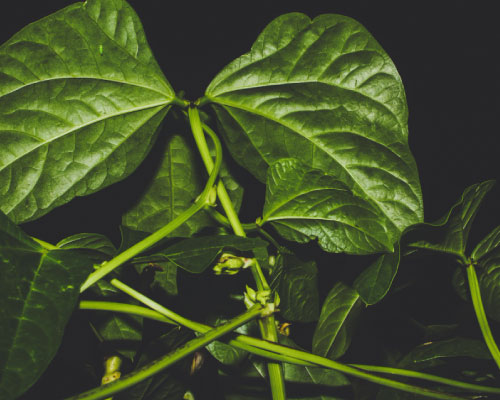
Where Does It Grow?
Guduchi is native to the Indian subcontinent and is also cultivated across Southeast Asia and parts of Africa, gaining popularity in herbal pharmacopoeias worldwide.
Geographical Distribution
- India — widely distributed from the Himalayan foothills to the Southern plains
- Sri Lanka
- Myanmar
- Thailand

Ideal Growing Conditions
- Well-drained, sandy loam or clayey soil rich in organic matter
- Thrives in natural forests and herbal gardens, and can be grown on trellises or tree trunks for household use
Parts Used & Phytochemical Constituents
The stem is the most therapeutically used part, although the leaves and roots also contain bioactive principles. Its key phytochemicals include:
- Alkaloids — tinosporine, magnoflorine, choline
- Diterpenoid lactones — tinosporide, cordifolide
- Glycosides — giloin, giloinin
- Steroids and polysaccharides
- Berberine (in minor amounts)
These compounds contribute to Guduchi's immunomodulatory, antipyretic, antioxidant, antidiabetic and hepatoprotective properties.
Therapeutic Benefits of Tinospora cordifolia
Guduchi's ability to restore immune intelligence, purify the blood, enhance liver function and support recovery makes it ideal in chronic and autoimmune conditions.
Immune & fever support
- Useful in fevers of unknown origin, including viral infections and chronic fevers
- Acts as a natural febrifuge, often combined with Tulsi or Kalmegh
- A frequent component of Ayush Kadha and other herbal immune blends
Liver & detoxification
- Protects hepatocytes from toxins, alcohol and drugs
- Used in conditions like fatty liver, hepatitis, jaundice and post-infection fatigue
Anti-inflammatory & antioxidant
- Scavenges free radicals and modulates inflammatory pathways
- Beneficial in autoimmune disorders like rheumatoid arthritis, gout and lupus
- Reduces oxidative stress in chronic inflammation and degenerative conditions
Metabolic & respiratory
- Supports glucose metabolism by reducing insulin resistance
- Exhibits alpha-glucosidase inhibition, reducing postprandial blood glucose
- Used in bronchitis, allergic rhinitis, asthma and chronic cough; combines well with Vasaka and Yashtimadhu for respiratory support
Rejuvenation & vitality
- Enhances mental clarity, energy and stress adaptation
- Beneficial in fatigue, memory loss, insomnia and debilitating conditions
- Often used as part of Rasayana therapy post illness or surgery
How to Use Guduchi Safely
Guduchi can be used as part of daily immunity support or in targeted regimens for detox, fever or chronic inflammation. Common forms include:
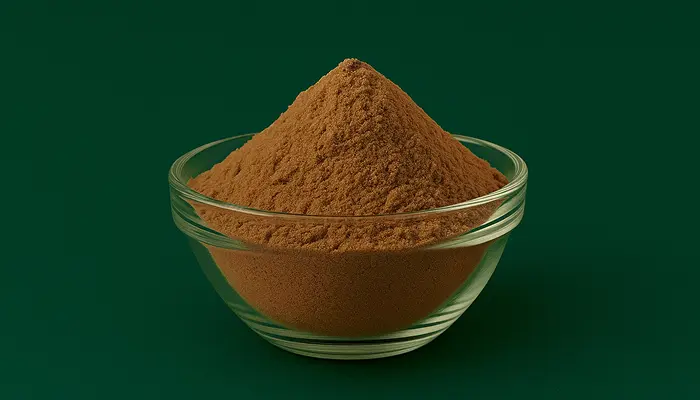
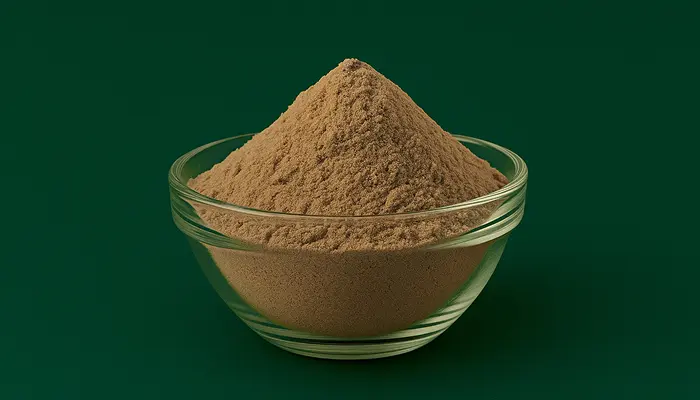
- Powder (Churna) — traditionally taken with warm water or honey
- Guduchi Satva — starchy extract used in chronic fevers and burning conditions
- Tablets / Capsules — standardized to active glycosides or alkaloids
- Decoction (Kashayam) — used in Panchakarma or classical detox protocols
- Juice (Swarasa) — fresh stem juice for acute use
Key Research Highlights
Guduchi is one of the most researched Ayurvedic herbs, particularly for its immunomodulatory, hepatoprotective and antidiabetic effects.
- Immunity — clinical studies show increased white blood cell activity and immune responsiveness
- Liver function — protects against CCl4- and alcohol-induced liver damage in animal models
- Blood sugar — reduces fasting glucose and improves glycemic control in Type 2 diabetes
- Rheumatoid arthritis — double-blind studies support pain and inflammation reduction
- COVID-19 supportive care — included in AYUSH guidelines for immune resilience
Precautions & Contraindications
Guduchi is well-tolerated by most individuals, but care is advised in certain situations.
- Pregnancy and lactation — limited data on high-dose use
- Autoimmune diseases — use under supervision as it can stimulate immune activity
- Hypoglycemia — monitor blood sugar when combined with anti-diabetic medications
References
- Kapil, A., Sharma, S. (1997). Immunopotentiating compound from Tinospora cordifolia. Indian Journal of Pharmacology, 29(2), 112–115.
- Singh, S. S., et al. (2003). Tinospora cordifolia: A phytopharmacological review. Indian Journal of Pharmacology, 35(2), 83–91.
- Saha, S., Ghosh, S. (2012). Tinospora cordifolia: One plant, many roles. Ancient Science of Life, 31(4), 151–159.
- Thatte, U. M., Dahanukar, S. A. (1989). Immunotherapeutic modification of E. coli peritonitis and bacteremia by Tinospora cordifolia. Indian Journal of Medical Research, 90, 472–478.
- Gupta, R. K., et al. (2016). Clinical evaluation of Tinospora cordifolia in patients of type 2 diabetes. Journal of Diabetes & Metabolic Disorders, 15(1), 1–6.
Uses & benefits
Immunomodulatory support with increased white blood cell activity; hepatoprotective action against alcohol-, drug- and toxin-induced liver damage; antipyretic activity in viral and chronic fevers; anti-inflammatory benefit in rheumatoid arthritis, gout and lupus; antidiabetic glucose control via alpha-glucosidase inhibition.
An adaptogenic Rasayana for everyday immune resilience, energy and stress adaptation; detox and blood-purifying support; convalescent rejuvenation post illness or surgery; respiratory comfort in bronchitis, allergic rhinitis and chronic cough; a core ingredient in immune blends such as Ayush Kadha.
Related botanical extracts
Source clinically researched botanicals.
Partner with GreenSpace Herbs for standardized, quality-assured extracts.