

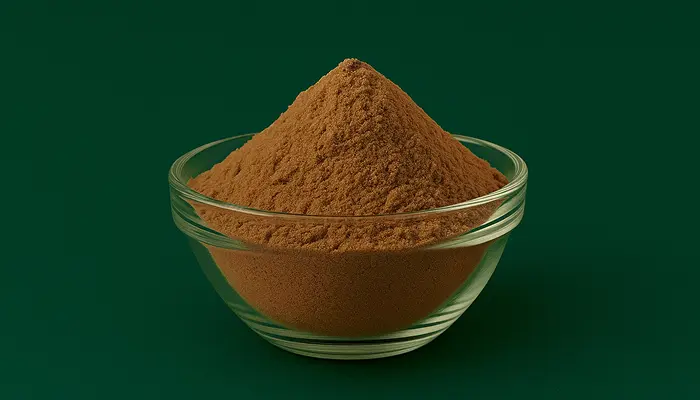
Amla (Emblica officinalis Gaertn.)
The Rasayana superfruit for vitality, immunity and longevity — one of the richest natural sources of vitamin C, prized in Ayurveda as a tridosha-balancing rejuvenative tonic.
Emblica officinalis, commonly known as Amla, Indian Gooseberry, or Amalaki, is one of the most important and widely used herbs in Ayurvedic medicine. Regarded as a Rasayana — a rejuvenative tonic — Amla has been traditionally valued for promoting vitality, enhancing immunity, improving digestion and slowing aging. Rich in vitamin C and potent antioxidants, this sour-tasting fruit is considered a cornerstone of classical wellness formulations.
What is Amla?
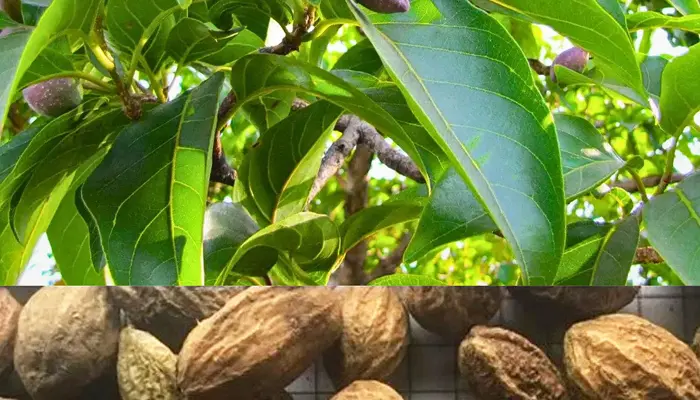
Amla is a small deciduous tree bearing spherical, greenish-yellow fruits with a distinctly sour and astringent taste. Botanically classified as Emblica officinalis Gaertn. (syn. Phyllanthus emblica), it holds a sacred and medicinal status in Ayurveda. In Ayurvedic texts, Amla is described as Tridosha hara — able to balance Vata, Pitta and Kapha doshas — and is the primary ingredient in classical formulations such as Chyawanprash and Triphala.
Where Does It Grow?
Amla is native to the tropical and subtropical regions of South and Southeast Asia, thriving across a wide range of climates and soils. Its hardiness makes it well suited to dryland cultivation and agroforestry.
Geographical Distribution
- India — widely cultivated, particularly in states such as Uttar Pradesh, Madhya Pradesh, Gujarat and Tamil Nadu.
- Nepal — found across foothill and lowland regions.
- Sri Lanka — grown in tropical zones.
- Bangladesh — present in cultivated and wild settings.
- Southeast Asia — parts of China and Southeast Asia for commercial use.
Ideal Growing Conditions
- Climate — tropical to subtropical; tolerant of heat and dry conditions.
- Soil — prefers light to medium loamy soil; tolerates sandy and slightly alkaline soil.
- Altitude — adaptable from plains to moderate elevations.
- Rainfall — drought-tolerant once established.
Amla trees are hardy and drought-tolerant, making them suitable for dryland agroforestry and herbal orchards.
Parts Used and Phytochemical Constituents
The fruit is the primary part used medicinally, though the seeds, leaves and bark also possess therapeutic value in traditional use.
Key Bioactive Constituents
- Vitamin C (Ascorbic acid) — Amla is one of the richest natural sources.
- Tannins — Emblicanin A & B, punigluconin, pedunculagin.
- Flavonoids — quercetin, kaempferol.
- Phenolic acids — gallic acid, ellagic acid, phyllembelic acid.
- Other — alkaloids, polyphenols and minerals (iron, calcium).
These compounds offer antioxidant, anti-inflammatory, immunomodulatory and adaptogenic benefits.
Therapeutic Benefits of Amla
Amla supports nearly every physiological system — from digestion and skin to immunity and metabolic health. Its actions are both preventive and restorative.
- Enhances immune cell function and antibody response.
- Inhibits free radicals, delaying degenerative processes.
- Promotes collagen synthesis, firming skin and reducing wrinkles.
- Strengthens hair follicles, reduces greying and hair fall.
- Helps in fatty liver, hepatitis and sluggish metabolism.
- Reduces glycation and oxidative damage in diabetics.
- Lowers LDL cholesterol, triglycerides and arterial inflammation.
- Supports healthy endothelial function and circulation.
How to Use Amla Safely
Amla is gentle and safe for long-term use in a variety of forms. It is consumed daily in traditional households as food, juice, powder or preserves.
Common Forms
- Powder (Churna) — often combined with honey or ghee.
- Juice (Swarasa) — used in detox and wellness regimens.
- Capsules / Tablets — standardized extracts for immune or metabolic support.
- Pickles, jams (Murabba), candy — culinary applications.
Key Research Highlights
Amla is one of the most researched Ayurvedic herbs in modern medicine, with clinical studies supporting its role in immune health, metabolic regulation and anti-aging.
- Antioxidant activity — Emblicanin A and B shown to enhance superoxide dismutase and glutathione levels.
- Lipid-lowering — Amla supplementation significantly reduced total cholesterol and LDL levels in randomized controlled trials.
- Glycemic control — Amla extract improved fasting and post-meal glucose in Type 2 diabetics.
- Cognitive function — neuroprotective effects observed in Alzheimer's and age-related cognitive decline models.
Precautions and Contraindications
Amla is extremely well-tolerated, but mild precautions should be observed in specific cases.
- Sensitive teeth or dental issues — high acidity may cause enamel discomfort.
- Diabetes medication — monitor blood sugar levels to avoid hypoglycemia.
- Anemia or low iron — high tannins may interfere with iron absorption; avoid consuming immediately with iron supplements.
- Gastric discomfort if taken on an empty stomach in sensitive individuals.
References
- Scartezzini, P., Speroni, E. (2000). Review on some plants of Indian traditional medicine with antioxidant activity. Journal of Ethnopharmacology, 71(1–2), 23–43.
- Jacob, A., et al. (2011). A randomized double-blind placebo-controlled study to evaluate the effect of Emblica officinalis on hyperlipidemia. Indian Journal of Clinical Biochemistry, 26(4), 327–334.
- Suryanarayana, P., et al. (2004). Effect of Amla on SOD and lipid peroxidation in diabetic rats. Molecular and Cellular Biochemistry, 261(1–2), 63–70.
- Krishnaveni, M., Mirunalini, S. (2010). Therapeutic potential of Phyllanthus emblica (Amla): the Ayurvedic wonder. Journal of Basic and Clinical Physiology and Pharmacology, 21(1), 93–105.
- Nain, P., et al. (2012). Neuropharmacological evaluation of Emblica officinalis in mice. Indian Journal of Experimental Biology, 50(5), 352–358.
Uses & benefits
Antioxidant, immunomodulatory and lipid-lowering actions. Clinical and preclinical studies support reduced total cholesterol and LDL, improved glycemic control in Type 2 diabetics, enhanced SOD and glutathione levels, and neuroprotective effects in age-related cognitive decline models.
A vitamin C-rich Rasayana for daily immune, skin, hair and metabolic support. Used in capsules, churna, juice and functional foods to promote collagen synthesis, healthy aging, digestion and resilience as a preventive, restorative tonic.
Source clinically researched botanicals.
Partner with GreenSpace Herbs for standardized, quality-assured extracts.