

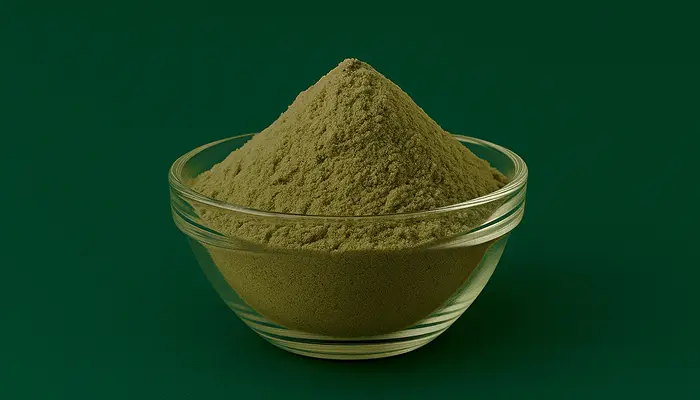
Senna (Cassia angustifolia)
A well-known herbal laxative, traditionally used to relieve constipation and cleanse the bowel — its therapeutic value rooted in naturally occurring sennosides that stimulate gentle, predictable digestive relief.
What is Senna?
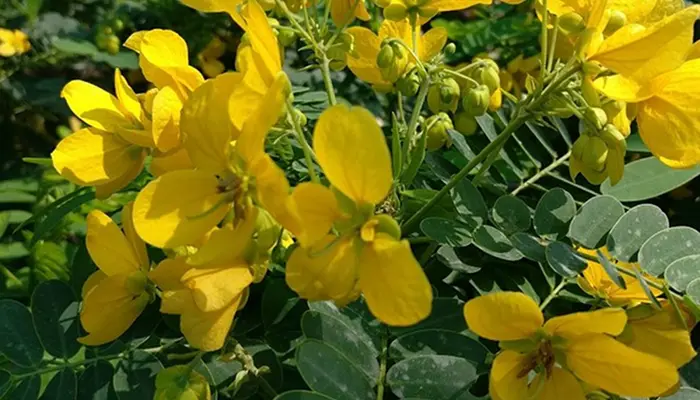
Senna is a small, erect shrub with yellow flowers and pinnate leaves. It belongs to the genus Cassia and is botanically classified as Cassia angustifolia Vahl. The plant is native to arid and semi-arid regions and is known for producing elongated seed pods and bright green leaflets. Derived from the dried leaves and pods, this powerful botanical has been an essential part of traditional systems like Ayurveda and Unani, and continues to be widely used in modern herbal pharmacology.
In Ayurveda, Senna is called Swarnapatri or Sona Mukhi and is classified under Virechana Dravyas — herbs used for therapeutic purgation. Its therapeutic value lies in its ability to stimulate bowel movement reliably and quickly, making it a trusted choice for occasional constipation and digestive cleansing.
Where Does It Grow?
Senna thrives in arid and semi-arid zones and is a drought-tolerant crop, making it ideal for semi-arid agriculture and herbal cultivation projects.
Geographical Distribution
- Southern India — especially Tamil Nadu and Rajasthan
- Northeast Africa — Sudan and Egypt
- The Arabian Peninsula

Ideal Growing Conditions
- Climate — hot, dry and arid to semi-arid regions
- Soil — well-drained sandy or loamy soils
- Altitude — suited to low-lying plains
- Rainfall — low rainfall; highly drought tolerant
Parts Used & Phytochemical Constituents
The dried leaflets and seed pods (fruits) are the main parts used medicinally. Both contain anthraquinone glycosides, which stimulate bowel movement. These compounds exert their effects primarily in the colon, stimulating peristalsis and improving fecal bulk and hydration.
Key active compounds
- Sennosides A and B — the main laxative agents
- Rhein, aloe-emodin, chrysophanol — anthraquinones with additional purgative and antimicrobial effects
- Flavonoids and tannins
Therapeutic Benefits of Senna
Senna is primarily used for digestive cleansing, especially in conditions of sluggish bowel movement or temporary constipation. Its effect is predictable, fast-acting and effective when used for short durations.
Digestive relief
- Stimulates bowel contraction within 6–12 hours
- Improves stool passage in individuals with sedentary lifestyles or travel-related constipation
- Often used at bedtime to induce morning relief
- Softens stools, promoting pain-free elimination in anorectal disorders
Clinical & Ayurvedic applications
- Used before colonoscopies and abdominal surgeries to clear the bowel, often combined with osmotic laxatives like polyethylene glycol
- Employed in Virechana Karma (therapeutic purgation) for deep detox
- Used to expel excess Pitta and metabolic waste from the intestines
- Secondary effects include mild antimicrobial activity against gut pathogens; traditionally used in some cultures for intestinal worms and skin diseases
How to Use Senna Safely
Senna should be used judiciously, typically for short durations, to avoid dependency and side effects. It is best taken at bedtime for overnight action.
Common forms
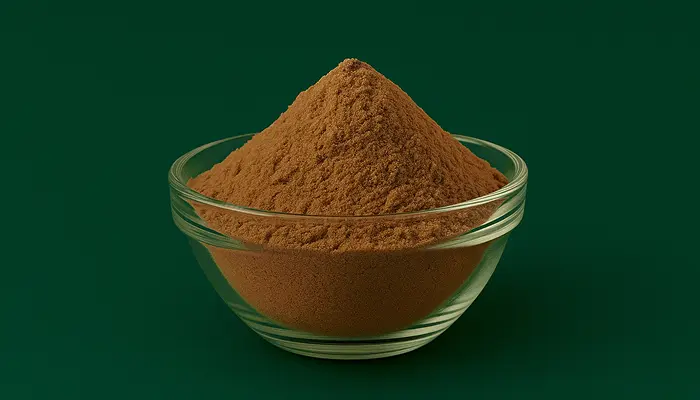
- Dried Senna leaves or pods (whole or powdered)
- Capsules and tablets standardized for sennoside content
- Syrups or liquid extracts for children or the elderly
- Herbal blends combined with soothing herbs like fennel, licorice or ginger
Research Highlights
Senna is one of the few herbal laxatives with FDA approval and widespread clinical validation for short-term use.
- Efficacy in constipation — randomized trials confirm Senna's effectiveness in improving stool frequency and consistency in both adults and the elderly.
- Safety and tolerability — when used short-term at recommended doses, Senna shows good safety profiles and is often included in hospital discharge prescriptions.
- Pharmacological action — sennosides act by stimulating enteric nerves and reducing water reabsorption in the colon, leading to bowel evacuation.
Precautions & Contraindications
While Senna is effective, overuse or incorrect use can lead to undesirable effects or health risks. Like all potent botanicals, it should be used responsibly — in the right context and dose, and always with attention to safety and sustainability.
- Pregnancy and breastfeeding — may stimulate uterine contractions; use only if prescribed
- Children under 12 years — use pediatric formulations under guidance
- Chronic constipation — long-term use can lead to dependency and electrolyte imbalances
- IBD, Crohn's disease or ulcerative colitis — may worsen intestinal irritation
- Kidney or heart conditions — risk of electrolyte loss, especially potassium
References
- DiPalma, J. A., Cleveland, M. B., McGowan, J., Herrera, J. L. (2007). A randomized, placebo-controlled, multicenter study of the safety and efficacy of a natural senna laxative. BMC Gastroenterology, 7, 1–6.
- Anderson, D. M., et al. (1991). Senna anthraquinones in plasma after oral administration. Pharmacology, 42(1), 49–56.
- Ladas, S. D., et al. (2000). Colonic cleansing for diagnostic purposes: senna vs polyethylene glycol. American Journal of Gastroenterology, 95(2), 448–452.
- Tariq, M., Ageel, A. M. (1986). The laxative effect of different extracts of senna. Natural Product Research, 2(3), 171–175.
- National Institutes of Health (NIH) — National Center for Complementary and Integrative Health. (2022). Senna: What you need to know.
Uses & benefits
A clinically validated stimulant laxative for short-term constipation — sennosides stimulate enteric nerves and reduce water reabsorption in the colon, producing reliable bowel evacuation within 6–12 hours. Widely used for bowel preparation before colonoscopies and abdominal surgery, often alongside osmotic laxatives, with FDA approval and a well-documented safety profile.
A natural digestive-cleansing botanical for occasional constipation and sluggish bowel movement, formulated as powders, capsules, syrups and herbal blends with soothing herbs like fennel, licorice and ginger. Rooted in Ayurvedic Virechana tradition for gentle detox and pain-free elimination without synthetic chemicals.
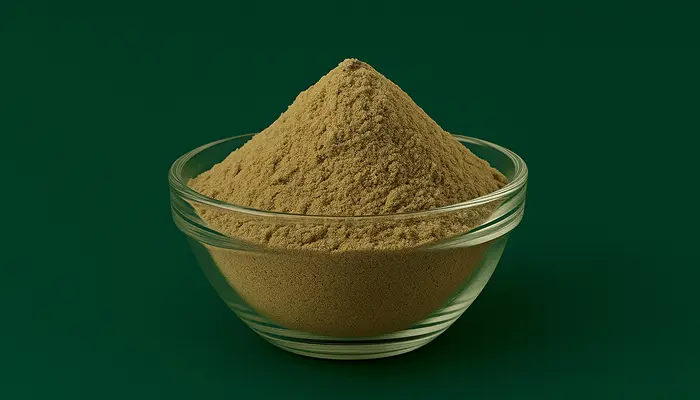
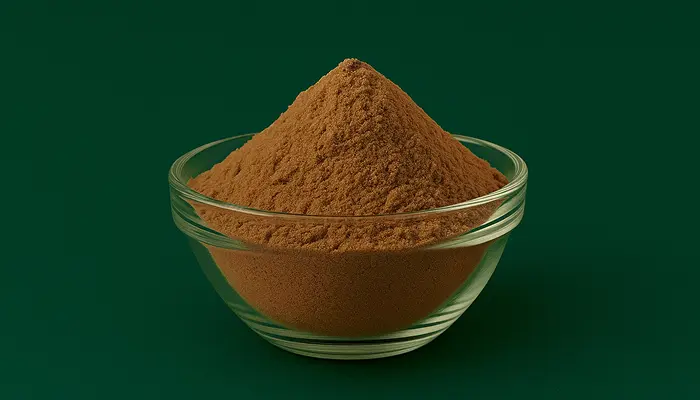
Source clinically researched botanicals.
Partner with GreenSpace Herbs for standardized, quality-assured extracts.