

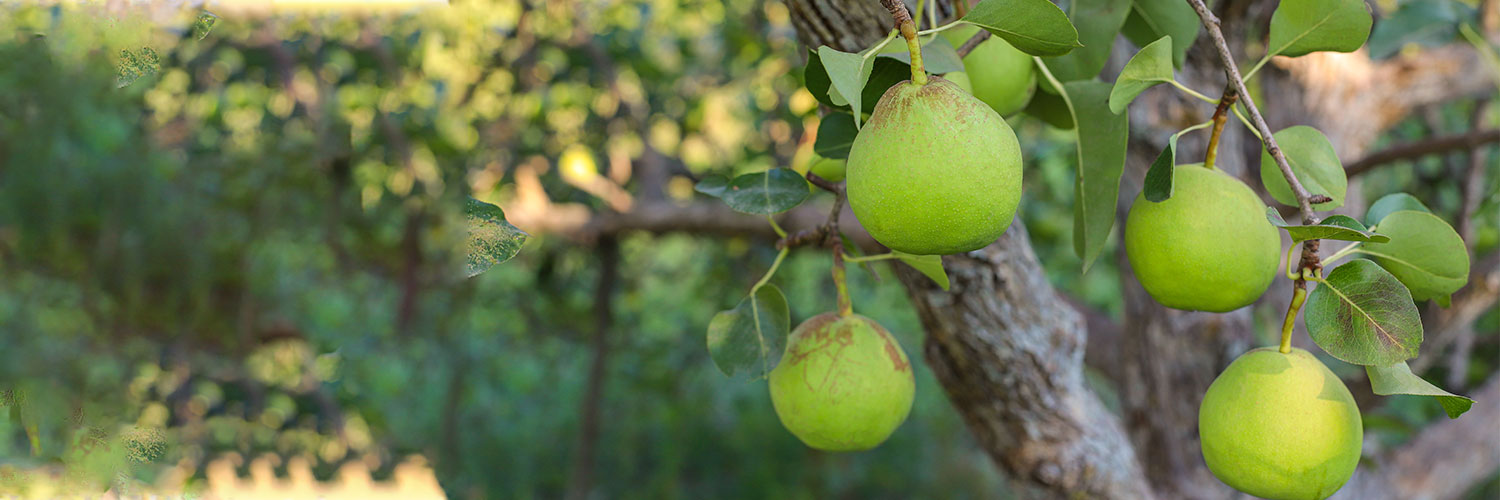
Bahera (Terminalia bellirica)
A detoxifier for respiratory, digestive and vision health — and one of the three fruits of Triphala. Known in Ayurveda as Bibhitaki, "the one who keeps away diseases," Bahera gently purifies without depleting the body's energy or fluids.
What is Bahera?
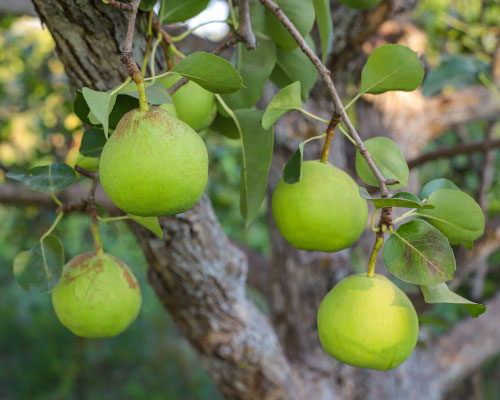
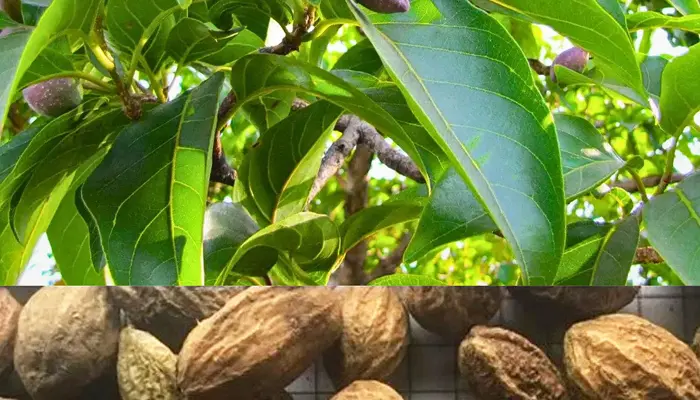
Bahera is a large deciduous tree that bears greyish-green, ovoid fruits with ridged surfaces. The dried fruit pericarp is used for medicinal purposes. In Ayurveda, Bahera is classified as Tridoshaghna, with a special affinity for regulating Kapha and Pitta. It is mentioned in ancient texts like the Charaka Samhita and Sushruta Samhita as "Bibhitaki," meaning "the one who keeps away diseases."
Terminalia bellirica, known as Bahera or Bibhitaki, is a key herb in classical Ayurvedic medicine, widely recognized as one of the three fruits in the rejuvenating formulation Triphala. Praised for its cleansing and stabilizing effects, Bahera is known to support respiratory wellness, digestive regulation, eye health and longevity. It is particularly effective in clearing excess mucus.
Where Does It Grow?
Bahera thrives in monsoon forests and often grows wild on forest edges and village peripheries, flourishing across dry deciduous forests and plantation systems throughout the Indian subcontinent and Southeast Asia.
Geographical Distribution
- India — throughout the plains and sub-Himalayan forests
- Sri Lanka
- Nepal
- Bangladesh
- Myanmar
- Pakistan and Southeast Asia

Ideal Growing Conditions
- Habitat: Dry deciduous forests and plantation systems across India
- Soil: Sandy loam or clay-rich soils with good drainage
- Climate: Tropical to sub-tropical monsoon forests; grows wild on forest edges and village peripheries
Parts Used & Phytochemical Constituents
The dried fruit rind (pericarp) is the principal medicinal part, although seeds and kernels have also been studied for specific bioactivities. The fruit's key bioactive compounds contribute to its astringent, detoxifying, anti-inflammatory and hepatoprotective properties.
- Tannins (30–45%) — including chebulagic acid, gallic acid and ellagic acid
- Lignans and flavonoids
- Beta-sitosterol and glycosides
- Anethole and mannitol
- Antioxidant polyphenols
Therapeutic Benefits of Terminalia bellirica
Bahera is best known for its cleansing and stabilizing properties across the respiratory, gastrointestinal, hepatic and ocular systems. It gently purifies without depleting body energy or fluids.
Respiratory support
- Breaks down excess mucus in the respiratory tract
- Useful in chronic cough, asthma, bronchitis and allergic rhinitis
- Acts as an expectorant and anti-inflammatory agent
- Included in Ayurvedic cough syrups and classical formulations like Sitopaladi Churna
Digestive & hepatic support
- Relieves constipation and indigestion without dependency
- Enhances nutrient absorption by toning gut mucosa
- Useful in anorexia, bloating, colitis and irregular bowel movements
- Reduces liver enzymes and fatty infiltration in preclinical studies
Eye health
- Improves ocular circulation and reduces intraocular pressure
- Used in Triphala Ghrita and Triphala eyewash formulations
- Traditionally indicated in conjunctivitis, vision fatigue and early cataracts
Antioxidant & rejuvenation
- High in polyphenols and tannins, protecting cells from oxidative damage
- Used in Rasayana therapy to improve tissue repair and delay signs of aging
How to Use Bahera Safely
Bahera is traditionally used in combination with other herbs like Haritaki, Amalaki and Pippali to enhance its cleansing and balancing effects. Common forms include:
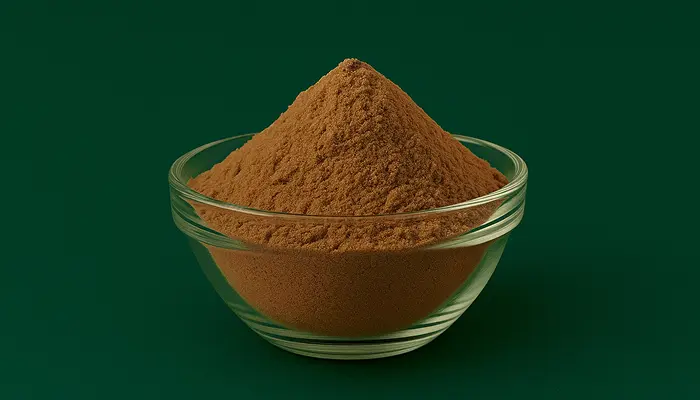
- Powder (Churna): often taken with warm water, ghee or honey
- Capsules / Tablets: standardized Triphala blends or Bahera-specific supplements
- Decoction (Kashayam): prepared from the dried fruit rind
- Taila / Ghrita formulations: for ophthalmic or nasal use
- Topical pastes: for wound healing and skin inflammation
Key Research Highlights
Modern pharmacological studies validate Bahera's traditional roles in respiratory, hepatic and digestive support.
- Expectorant and bronchodilator: animal studies show decreased bronchial inflammation and mucus
- Liver protection: gallic acid-rich extracts protect against chemically induced liver toxicity
- Laxative activity: mild stimulation of colonic motility confirmed in experimental models
- Antioxidant effects: inhibits lipid peroxidation and scavenges free radicals
- Anti-ulcer and antimicrobial: inhibits Helicobacter pylori and supports gut healing
Bahera is a key ingredient in over 200 Ayurvedic formulations, particularly in Rasayana therapy and Kapha disorders.
Precautions & Contraindications
Bahera is generally well tolerated and safe for most individuals when taken at recommended doses. However:
- Pregnancy and lactation: avoid high doses or prolonged use unless prescribed
- Chronic diarrhea or emaciation: may aggravate due to astringency and cleansing effect
- Children under 5 years: use only in pediatric-specific formulations
- Surgery: discontinue at least 2 weeks before scheduled surgery due to potential blood sugar effects
- Iron absorption: may be reduced due to high tannin content
Terminalia bellirica (Bahera) is a versatile Ayurvedic herb with deep detoxifying, stabilizing and rejuvenating effects. From clearing the lungs and bowels to supporting the liver and eyes, it embodies the essence of gentle purification and balance.
Uses & benefits
Expectorant and bronchodilator activity, hepatoprotection by gallic acid-rich extracts, mild laxative action, antioxidant inhibition of lipid peroxidation, and anti-ulcer / antimicrobial effects against Helicobacter pylori.
A cornerstone of Triphala and over 200 Ayurvedic formulations — used in Rasayana detox blends, respiratory and digestive tonics, and ophthalmic preparations for gentle purification and rejuvenation.
Related botanical extracts
Source clinically researched botanicals.
Partner with GreenSpace Herbs for standardized, quality-assured extracts.